Siding Trim Around Windows: Enhancing Your Chicago Home’s Look and Efficiency

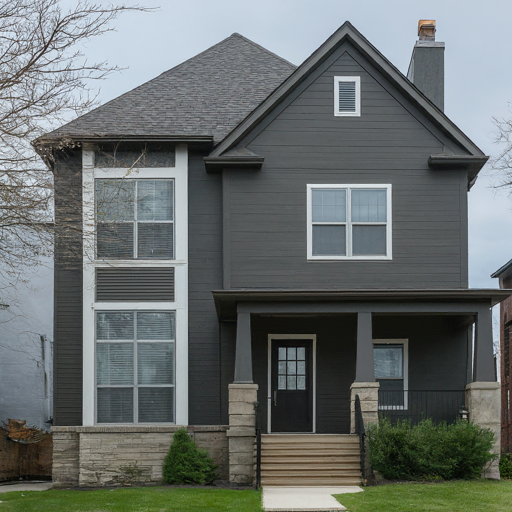
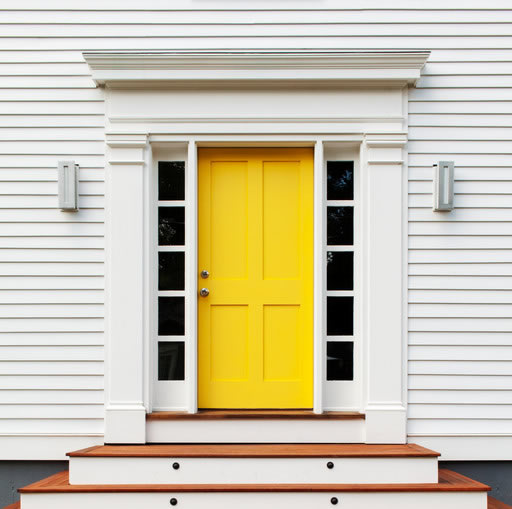
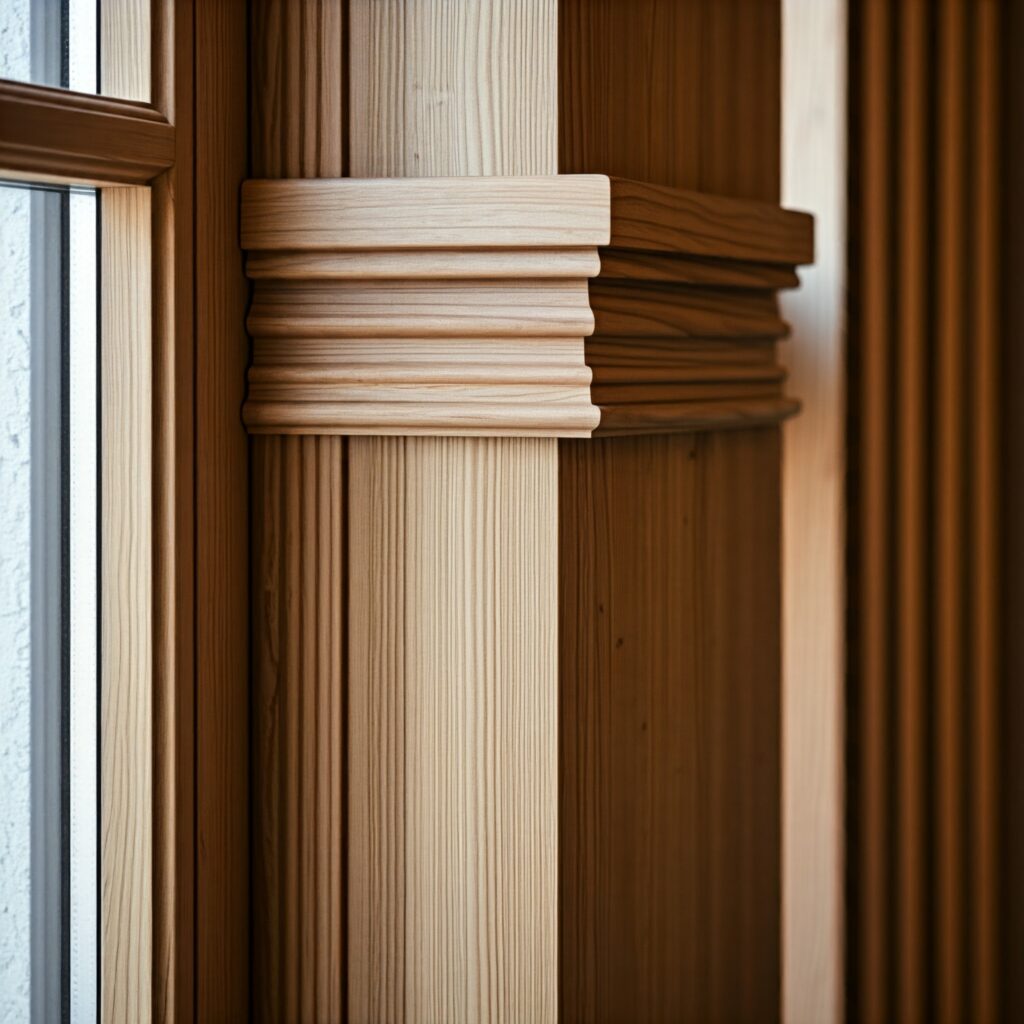
Siding trim around windows, often called “window trim” or “window casing,” plays a vital role in both the look and function of your Chicago home’s exterior. While siding protects your home from harsh Midwestern weather, window trim adds an extra layer of protection and creates a polished transition between windows and siding. Properly installed window trim not only prevents moisture and air leaks but also boosts curb appeal, making it a critical component of any well-designed home exterior in Chicago.

Why Window Trim Is Important

  1. Sealing Against the Elements
    Window trim is essential in protecting your Chicago home from moisture intrusion. Without proper trim, rainwater could seep between the window and siding, leading to mold, wood rot, and even structural damage over time. In Chicago’s climate, characterized by heavy rain, snow, and extreme temperature fluctuations, window trim ensures a tight seal, preventing moisture from finding its way inside. Properly installed trim also helps block drafts, which can be particularly beneficial during the city’s cold winters and hot summers, helping maintain comfortable indoor temperatures and reduce energy costs.
  2. Enhancing Aesthetic Appeal
    The right window trim can add a finishing touch to your home’s architectural style. Trim comes in various materials, such as wood, fiber cement, or PVC, and can be customized to match the color and design of the siding. For example, thicker trim in contrasting colors can create a bold, defined look, while a sleek, thin casing might suit more modern Chicago homes. Choosing the right style, color, and profile for your trim can complement the overall aesthetic, making your windows look more refined and your home more cohesive.
  3. Improving Insulation and Energy Efficiency
    A well-installed window trim functions as an added insulation layer around windows. Gaps or poorly sealed windows can be a significant source of heat loss, impacting energy bills and home comfort in Chicago. Trim with good insulation properties—especially when paired with proper flashing—minimizes air leaks, reducing the need for excessive heating or cooling. This energy-saving benefit is particularly valuable in an area where seasonal temperature extremes can lead to skyrocketing utility costs.
  4. Concealing Installation Seams
    Siding and window materials often don’t fit together perfectly, and window trim helps to cover up any irregular seams. It provides a neat finish by bridging the gaps and concealing edges, giving your Chicago home a professional, polished look.

Choosing the Right Material for Window Trim

Several materials are commonly used for window trim in Chicago, each with its pros and cons:

  • Wood Trim: Known for its classic look, wood trim can be stained or painted to match the exterior’s style. However, it requires regular maintenance to prevent moisture damage and warping, especially in Chicago’s wet winters.
  • PVC and Vinyl Trim: PVC and vinyl trims are durable, low-maintenance options that resist moisture and insect damage. They’re ideal for Chicago homeowners seeking minimal upkeep and are available in various colors to complement most siding styles.
  • Fiber Cement Trim: This option offers excellent durability and is resistant to both moisture and extreme temperatures. Fiber cement trim works well in Chicago’s variable climate, as it doesn’t expand or contract as much as other materials, providing a long-lasting, sturdy trim solution.
  • Aluminum Trim: Aluminum is durable and lightweight, making it another low-maintenance option. However, it’s typically used in combination with other materials, as it’s not always as visually appealing as wood or fiber cement.

Window Trim Installation and Maintenance Tips

To get the best performance from your window trim, it’s essential to ensure proper installation and upkeep. Here are some tips to keep your trim in optimal condition:

  • Use Quality Flashing: Flashing around the window trim is crucial to channel water away from the frame, particularly in high-rain areas like Chicago. Flashing is typically placed under the siding and trim to form a water-resistant barrier.
  • Seal Joints and Gaps: Any gaps between the trim and siding should be sealed with caulk to prevent water and air infiltration. Choose a high-quality, paintable caulk for the best durability.
  • Regular Inspections: Regularly inspect your trim for signs of damage, including cracks, peeling paint, or gaps. Early detection of issues allows you to address them before they escalate into larger problems.
  • Repaint or Reseal as Needed: Wooden trims may need to be repainted or resealed periodically, while PVC and vinyl trims require minimal upkeep aside from occasional cleaning.

The Value of Professional Installation in Chicago

Window trim installation requires precision to ensure a tight, weather-resistant seal. Working with a local Chicago professional ensures that the trim is installed correctly, with proper flashing and sealing, to protect your home against the elements. An expert installer can also recommend the best material and design for your home, maximizing durability and visual appeal.

In conclusion, window trim around your siding is more than just a decorative feature—it’s a functional necessity that enhances your Chicago home’s protection, energy efficiency, and curb appeal. Choosing the right materials and keeping up with routine maintenance can extend the life of your trim and help you avoid costly repairs in the future. Whether updating your siding or focusing on the trim itself, giving attention to this detail can make a noticeable difference in the appearance and performance of your home’s exterior in Chicago.
Transform Your Chicago Home’s Exterior: A Complete Guide to Choosing and Maintaining Siding, Windows, and Doors

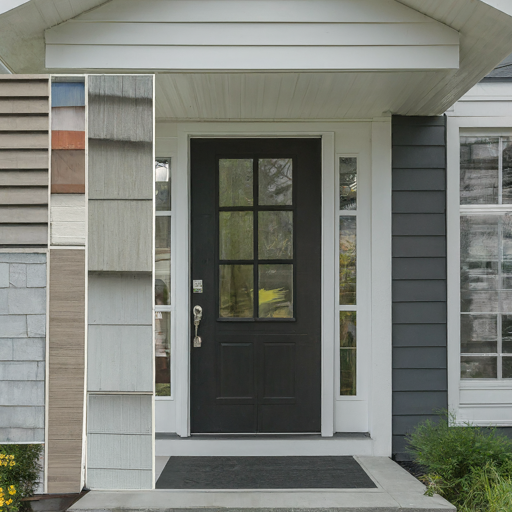
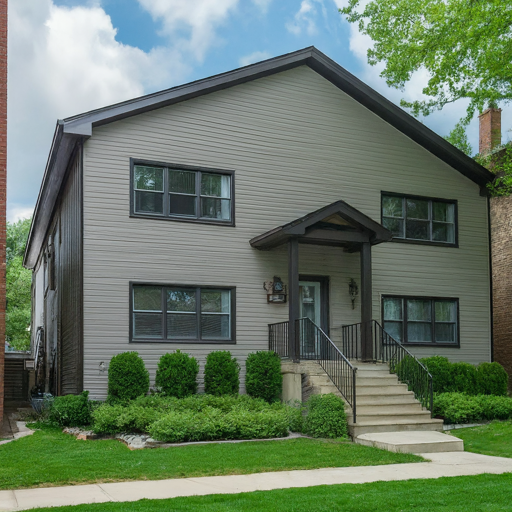
Your home’s exterior is more than just its first impression; it’s a vital component that affects curb appeal, energy efficiency, and overall comfort. In Chicago, where weather extremes are a regular feature, choosing the right siding, windows, and doors is crucial. This comprehensive guide will help you navigate the options and maintenance tips to ensure your Chicago home stands out while enduring the city’s climate.


Why Your Chicago Home’s Exterior Matters

In Chicago’s diverse neighborhoods, the exterior of your home can significantly impact its value and appeal. An attractive and well-maintained exterior not only enhances curb appeal but also improves energy efficiency and protects your home from the elements. Investing in quality materials and proper maintenance can elevate your home’s appearance and functionality.

Siding Solutions for Chicago Homes: Finding the Perfect Fit

Choosing the right siding for your Chicago home involves balancing aesthetics, durability, and weather resistance. Here are some popular options:

Vinyl Siding: Known for its affordability and low maintenance, vinyl siding is an excellent choice for Chicago homes. It’s resistant to moisture and won’t rot, making it ideal for the city’s humid summers and wet conditions. Look for high-quality vinyl to avoid issues like warping or fading over time.

Fiber Cement Siding: Fiber cement is a highly durable option that can withstand Chicago’s harsh winters and summer heat. It’s resistant to fire, pests, and rot, making it a long-term investment for your home. Additionally, fiber cement siding can mimic the appearance of wood or stucco, providing versatile design options.

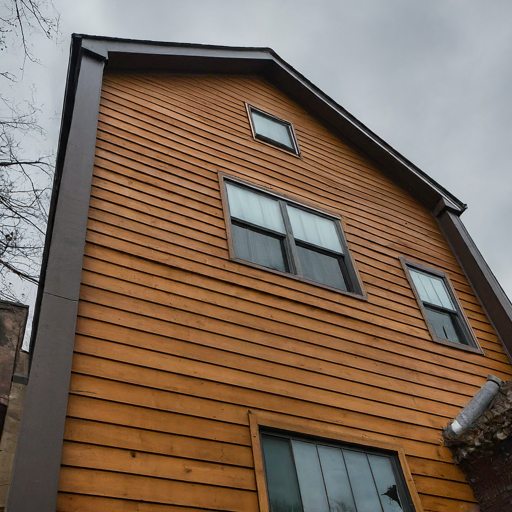
Wood Siding: Wood siding offers a classic look that complements many architectural styles. While it requires regular maintenance to protect against Chicago’s fluctuating weather, such as sealing and painting, it adds a natural and warm aesthetic to your home. Consider using treated or engineered wood to enhance its durability.

Siding Solutions for Chicago Homes: Finding the Perfect Fit

Styles and Materials
Choose windows that fit your home’s style. Consider vinyl for low maintenance, wood for classic looks, or fiberglass for a balance.

Maintenance Tips
Regular cleaning and inspection can extend the lifespan of your windows. Check for any signs of leaks, condensation, or damage, and address issues promptly to maintain energy efficiency and appearance.

The Role of Soffits and Fascia in Chicago Homes: Protecting and Enhancing Your Exterior

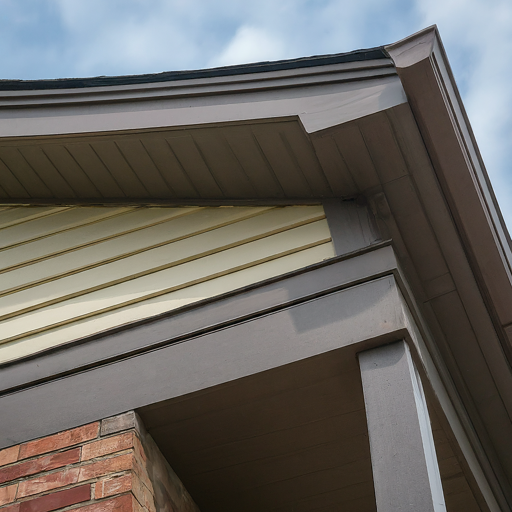
Soffits and fascia are essential components of your home’s roofing system, providing ventilation and protection from the elements.

Soffits: Soffits cover the underside of your roof’s overhang, helping to ventilate the attic and prevent moisture buildup. Choose materials that are resistant to moisture and pests, such as vinyl or aluminum, which are well-suited to Chicago’s weather.

Fascia: Fascia boards run along the roofline and support the gutters. They protect the ends of your rafters and contribute to your home’s overall appearance. Durable materials like aluminum or fiber cement can withstand Chicago’s weather and reduce maintenance needs.

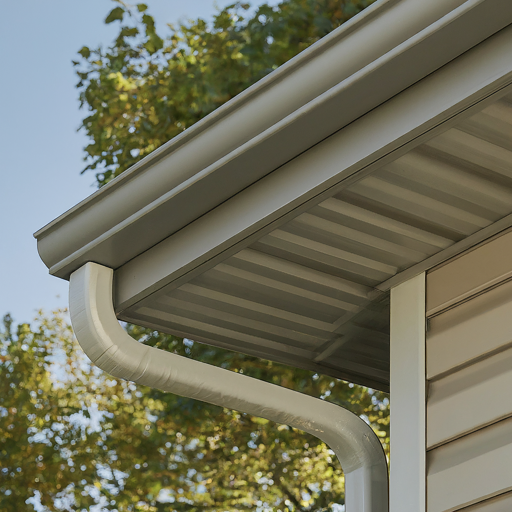
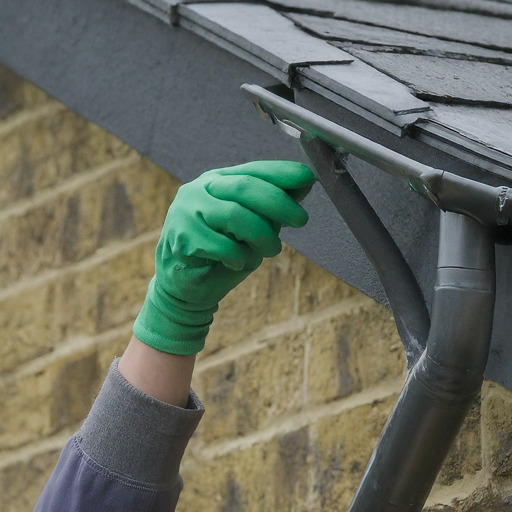
Maintenance Tips: Regularly inspect soffits and fascia for damage or signs of moisture infiltration. Clean gutters and downspouts to ensure proper drainage and prevent damage to these components.

Gutter Cleaning and Maintenance for Chicago Homes: Preventing Damage and Ensuring FunctionalityExterior Works for Chicago Homes: Coordinating Siding, Windows, and Doors for a Cohesive Look

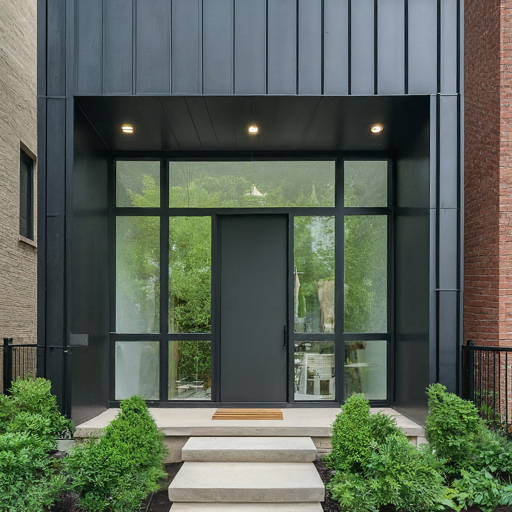
Achieving a unified and appealing exterior involves coordinating siding, windows, and doors to complement each other and suit Chicago’s architectural styles.


Transforming your Chicago home’s exterior involves thoughtful selection and maintenance of siding, windows, and doors. By considering Chicago’s climate and architectural styles, you can make informed choices that enhance your home’s beauty, efficiency, and durability. Invest in quality materials, follow maintenance guidelines, and enjoy a stunning and functional home exterior for years to come.

From Siding to Flooring: How to Create a Cohesive Home Design

When it comes to home design, achieving a cohesive look requires careful consideration of both exterior and interior elements. Your home’s siding is the first impression it makes, and the hardwood flooring inside sets the tone for the interior. Here’s how you can harmonize your siding with your flooring to create a beautifully unified home.

Choosing the Right Siding

The siding you choose for your home has a significant impact on its overall aesthetic. Here are a few key factors to consider:

  • Color: Select a siding color that not only enhances your home’s curb appeal but also complements the interior design. Neutral colors offer flexibility, while bold hues can make a statement.
  • Texture: The texture of your siding, whether smooth, textured, or patterned, influences the visual impact and can affect your choice of interior flooring.
  • Material: From vinyl and wood to fiber cement and metal, the material of your siding can set the stage for the type of hardwood flooring that will work best inside

Impact on Interior Design

The style and color of your exterior siding can guide your choices for interior design, including hardwood flooring. Here’s how:

  • Neutral Siding Colors: If your siding features neutral tones, you have the freedom to choose from a variety of hardwood flooring options. Consider flooring that either matches or contrasts with the neutral shades to enhance your interior design.
  • Bold or Dark Siding Colors: For homes with bold or dark siding, lighter or natural wood finishes for flooring can create a balanced and inviting atmosphere.

Hardwood Flooring Tips

To make the best choice for your interior flooring, we recommend checking out our comprehensive guide on hardwood flooring tips. Here’s a snapshot of what to consider:

  • Wood Type: Choose a wood type that aligns with your desired interior style. Whether you prefer a modern, sleek look or a classic, rustic feel, there are options to match.
  • Finish: The finish of your hardwood flooring impacts both its appearance and durability. Decide between matte, satin, or glossy finishes based on your needs and style preferences.
  • Color Coordination: Ensure the color of your hardwood flooring complements your siding. Lighter floors can brighten up a dark exterior, while darker floors can add warmth to a neutral siding.

Creating Harmony

For a seamless design, consider the following tips:

  • Coordinate Colors: Use color samples to visualize how the exterior siding and interior flooring will work together. Aim for a balanced palette that flows from outside to inside.
  • Match Styles: If your siding features a modern design, choose flooring that complements this style. Similarly, traditional siding should be paired with flooring that enhances its classic look.

Examples and Inspiration

Here are a few examples to inspire your design choices:

  • Modern Appeal: A sleek, dark siding paired with light oak flooring creates a contemporary look that’s both stylish and inviting.
  • Classic Charm: Traditional wooden siding matched with rich walnut flooring adds a timeless and elegant touch to your home.

Achieving a cohesive look between your siding and hardwood flooring can transform your home into a harmonious and stylish space. For more detailed advice on selecting the perfect hardwood flooring to complement your siding, visit our trusted partners hardwoodfloortips.com. Explore your options and start creating a beautifully unified home today!

How to Match Your Siding with Your Home’s Architectural Style

Selecting the right siding for your home is crucial to enhancing its curb appeal and ensuring it blends seamlessly with the architectural style. Here’s a guide on matching siding with different home styles, along with examples of successful matches.

Colonial Style

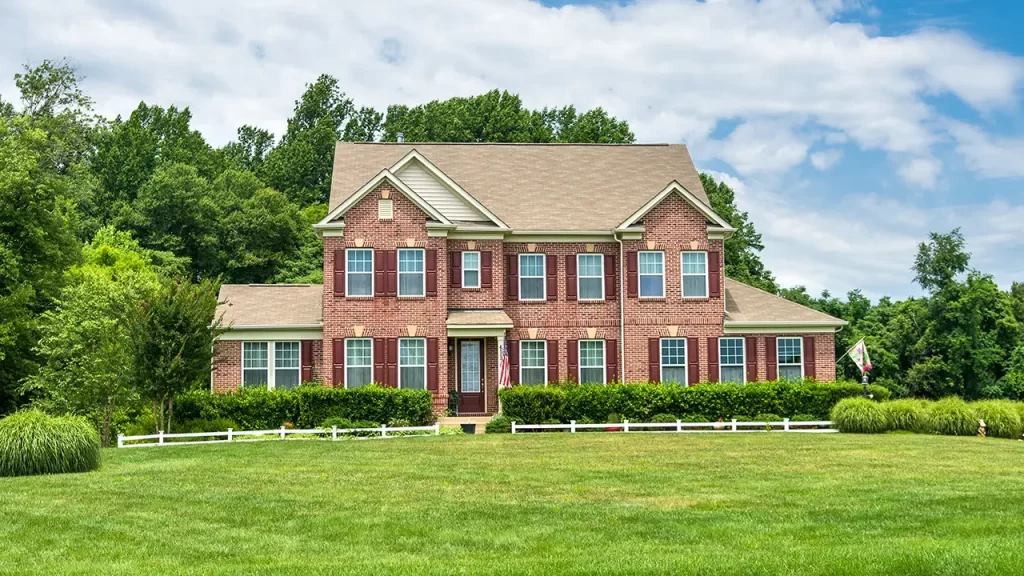
Colonial homes are known for their symmetrical design, brick or wood exteriors, and double-hung windows with shutters. To complement this style, wood lap siding is an excellent choice for its classic and historically accurate appearance. Brick veneer is another option, offering the traditional colonial look without the weight and cost of full brick. For example, a Colonial home with white wood lap siding and black shutters provides a timeless, elegant appearance, while brick veneer siding paired with white trim enhances the traditional colonial aesthetic.

Victorian Style

Victorian homes are characterized by ornate details and trim, steep gable roofs, and varied textures and vibrant colors. Wood shingles add texture and complement the intricate details of Victorian architecture. Board and batten siding offers vertical lines that accentuate the height and grandeur of these homes. A Victorian home with painted wood shingles in a pastel palette creates a charming, storybook feel. Alternatively, board and batten siding in a deep color like burgundy, paired with white trim, emphasizes the architectural details.

Craftsman Style

Craftsman homes feature low-pitched roofs, exposed rafters, and stone or brick accents. Fiber cement siding is a durable option that mimics the look of wood, fitting well with the Craftsman style. Wood shingles or clapboard siding offer a natural, handcrafted appearance. For example, a Craftsman home with fiber cement siding in a muted earth tone like sage green, complemented by stone accents, achieves a harmonious look. Wood clapboard siding stained in a natural wood finish highlights the handcrafted quality of a Craftsman home.

Modern Style

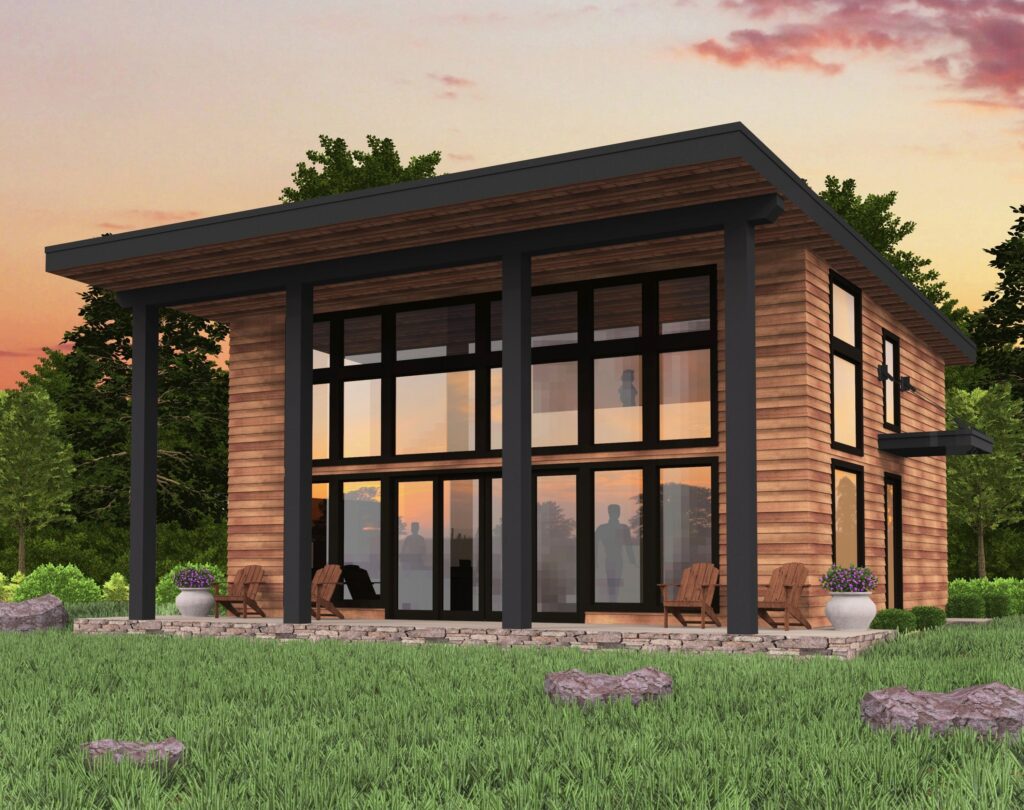
Modern homes are known for their clean lines and minimalistic design, flat or low-pitched roofs, and large windows. Metal panels provide a sleek and contemporary appearance, while stucco offers a smooth finish that enhances the minimalist look. A modern home with metal panel siding in a matte finish exudes a sleek, industrial vibe. Stucco siding in a crisp white or light gray creates a clean, modern aesthetic.

Ranch Style

Ranch homes typically have a single-story, long and low profile, simple open floor plans, and large windows and sliding glass doors. Vinyl siding is a versatile and low-maintenance option that complements the simplicity of Ranch homes. Brick or stone veneer adds texture and visual interest. For instance, a Ranch home with horizontal vinyl siding in a neutral color like beige or taupe enhances the simple, linear design. Brick veneer siding in a warm red or brown creates a cozy, rustic feel.

Mediterranean Style

Mediterranean homes feature stucco walls, red-tiled roofs, and arched windows and doors. Stucco siding is a traditional and authentic choice that aligns well with this architectural style. Stone veneer adds texture and complements the stucco. A Mediterranean home with creamy stucco siding and terracotta roof tiles exudes classic elegance. Stone veneer accents around windows and doors further enhance the architectural features.

Tips for Successful Matching

When selecting siding, consider the color palette to ensure it complements both the architectural style and the surrounding environment. The texture and material of the siding should align with the home’s style and your desired aesthetic. Additionally, incorporating trim, shutters, and other details can enhance the siding and overall design.


Choosing the right siding for your home’s architectural style not only boosts its curb appeal but also preserves its historical and aesthetic integrity. By understanding the characteristics of each style and choosing complementary siding options, you can create a harmonious and visually appealing exterior.


Feel free to share more details about your specific project if you need tailored advice!

Siding for Commercial Buildings

1. Overview of Siding Options for Commercial Buildings

Metal Siding: Known for its durability and sleek, modern appearance, metal siding is commonly used in industrial and commercial applications. It’s resistant to fire, pests, and extreme weather conditions, making it a long-lasting choice.

Fiber Cement Siding: This type of siding offers the look of wood with greater durability and resistance to pests and fire. It’s a popular choice for businesses that want the aesthetic appeal of wood without the high maintenance.

Vinyl Siding: An affordable, low-maintenance option, vinyl siding comes in a variety of styles and colors. It’s easy to clean and can withstand various weather conditions, making it a practical choice for many commercial buildings.

Brick and Stone Veneer: Providing a classic, high-end look, brick and stone veneer siding offers excellent durability. It’s ideal for businesses looking to convey a sense of permanence and stability

2. Benefits of Siding for Business Premises

Enhanced Curb Appeal: Attractive siding can make a commercial building more inviting and professional-looking, which can attract more customers. A visually appealing exterior can create a positive first impression and set your business apart.

Durability and Low Maintenance: High-quality siding materials can withstand harsh weather conditions and require minimal maintenance, reducing long-term costs. This ensures that the building remains in good condition with less effort and expense.

Energy Efficiency: Insulated siding options can help improve the building’s energy efficiency, leading to lower heating and cooling costs. This not only saves money but also reduces the building’s environmental impact.

Increased Property Value: Upgraded siding can increase the value of a commercial property, making it a more attractive investment. Potential buyers or tenants are likely to appreciate the aesthetic and practical benefits of quality siding.

3. Case Studies of Commercial Buildings with Notable Siding Projects

Retail Stores: Numerous retail stores have used innovative siding solutions to create eye-catching storefronts. For example, a clothing boutique might choose colorful vinyl siding to reflect its vibrant brand, while a luxury goods store might opt for sleek metal siding to convey sophistication.

Office Buildings: Many office buildings have improved their aesthetics and energy efficiency through siding upgrades. A tech company, for instance, might use modern fiber cement siding to project a cutting-edge image, while also benefiting from its durability and low maintenance.

Restaurants and Cafes: Highlighting restaurants and cafes that have used unique siding materials to create a distinct atmosphere. A café might use brick veneer siding to create a cozy, rustic look, while a modern restaurant could choose a combination of metal and wood siding for a trendy, contemporary feel.

By considering these siding options and their benefits, businesses can enhance their premises, attract more customers, and increase property value. Whether it’s through modern materials, energy-efficient solutions, or unique aesthetic choices, siding plays a crucial role in the overall success of commercial buildings.

Vinyl vs. Wood: Which Window Siding is Right for You?

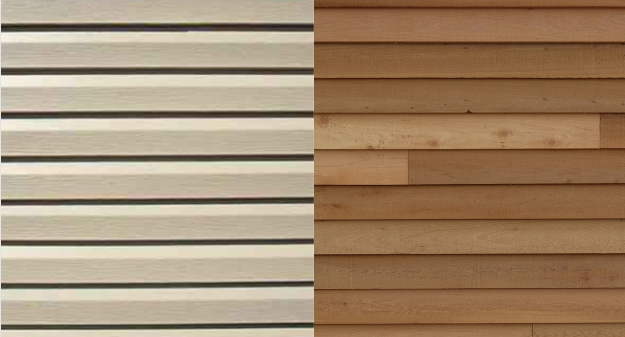
When it comes to choosing window siding for your home, vinyl and wood are two popular options, each offering its own unique set of benefits and drawbacks. Understanding these can help you make an informed decision that best suits your needs and preferences.

Vinyl Siding

Vinyl siding is a go-to choice for many homeowners due to its affordability and low maintenance requirements. It’s a cost-effective option that doesn’t compromise on durability. Vinyl siding is resistant to moisture, pests, and rot, making it an ideal choice for homes in various climates. It’s also remarkably easy to clean—usually, all it takes is some soap and water.

One of the standout features of vinyl siding is its versatility. Available in a wide range of colors and styles, vinyl can even mimic the look of wood, stone, and other materials. This allows homeowners to achieve a high-end look without the high-end cost. Additionally, vinyl siding often includes insulation options, which can enhance your home’s energy efficiency.

However, vinyl siding isn’t without its downsides. While it can imitate the appearance of wood, it often lacks the authentic feel and charm of real wood. Repairing vinyl can also be tricky, as damaged panels usually need to be replaced entirely. Moreover, vinyl is made from PVC, a material that poses environmental concerns due to its non-biodegradable nature and the impact of its production and disposal.

Wood Siding

For those who value a classic and natural aesthetic, wood siding is hard to beat. It offers a timeless look that adds warmth and character to any home. Wood siding is also highly customizable—you can paint or stain it in any color to suit your style. Furthermore, wood is a natural insulator, providing better thermal insulation than vinyl, which can help keep your home warm in the winter and cool in the summer.

Wood siding can also boost your home’s value. Its aesthetic appeal and quality can be a significant selling point. However, this comes with a higher price tag, both in terms of initial costs and ongoing maintenance. Wood siding requires regular upkeep, including painting, staining, and sealing, to protect it from the elements. It’s also susceptible to damage from pests, rot, and moisture, and can warp, crack, or split over time.

Despite being a renewable resource, the environmental impact of wood siding should not be overlooked. The process of harvesting wood can be damaging to forests, and the paints and stains used for maintenance can have harmful environmental effects.

Deciding between vinyl and wood siding ultimately comes down to your personal priorities and preferences. If you’re looking for a cost-effective, low-maintenance, and durable option, vinyl siding might be the way to go. On the other hand, if you’re willing to invest in a material that offers unmatched aesthetic appeal and customization options, wood siding could be more suitable.

Consider your budget, your willingness to perform regular maintenance, and your aesthetic goals when making your decision. Both vinyl and wood siding have their merits, and choosing the right one will depend on what you value most in your home’s exterior.

Enhancing Your Home’s Curb Appeal with Door Siding

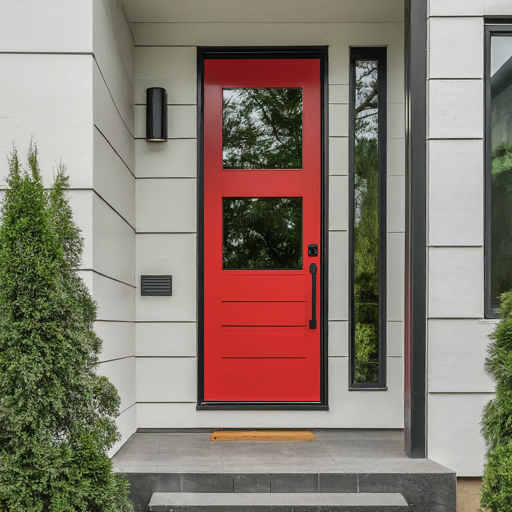
Door siding, or the materials and trim surrounding exterior doors, is crucial for enhancing a home’s aesthetic appeal and protecting it from environmental elements. This siding can be crafted from various materials, each offering unique benefits; wood provides a classic, customizable appearance but requires regular maintenance, while vinyl offers a durable, low-maintenance alternative that can effectively mimic more natural textures. Fiber cement is celebrated for its robustness, being resistant to fire, termites, and rot, making it ideal for harsh weather conditions, whereas aluminum, another sturdy option, supports modern designs with its fire resistance and minimal upkeep. When selecting siding, homeowners should consider factors like climate, the home’s exterior design, and their maintenance willingness. Proper installation is crucial—accurate measurements and appropriate tools like levels and saws ensure the siding fits perfectly and functions as intended. Regular maintenance, including cleaning and inspecting for damage like moisture ingress or warping, extends the lifespan and preserves the appearance of door siding, ensuring it continues to enhance the home’s curb appeal and structural integrity effectively.

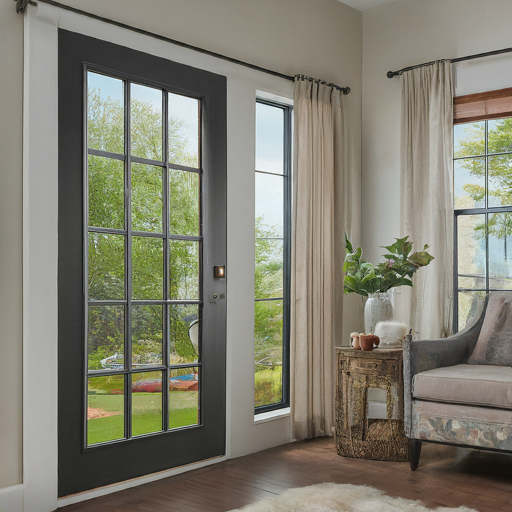
Door siding, or the trim and material that surrounds your exterior doors, plays a vital role in both the aesthetic appeal and functionality of your home. Not only does it contribute to the first impression of your house, but it also provides essential protection from the elements. In this guide, we’ll explore the different types of door siding, how to choose the right materials, and tips for installation and maintenance.

1. Understanding Door Siding
Door siding includes all the materials around the door frame, from the trim that outlines the door to the panels or siding that fits beneath and beside the door. It can be made from various materials, each offering distinct benefits and styles. This trim is crucial for sealing out the weather and can also significantly enhance the visual appeal of your entrance.

2. Types of Door Siding Materials
Wood: Traditional and versatile, wood siding offers a classic look that can be painted or stained to match any home’s exterior. It requires more maintenance but provides a natural and customizable option.
Vinyl: A low-maintenance, durable, and affordable choice, vinyl siding resists moisture and decay and can mimic the look of natural materials.
Fiber Cement: Known for its durability and resistance to fire, termites, and rot, fiber cement siding is a robust option that can also be painted to suit your home’s style.
Aluminum: Metal sidings like aluminum are durable, fire-resistant, and nearly maintenance-free. They can also be painted and are excellent for modern home designs.

3. Choosing the Right Siding for Your Door
Choosing the right siding involves considering durability, maintenance, cost, and aesthetic compatibility with your home. Factors like climate and exposure to the elements should guide your material choice. For instance, vinyl and fiber cement are excellent in areas with high humidity or frequent storms, while wood might be more suitable for a controlled climate.

4. Installation Tips
Measuring and Planning: Measure the door area meticulously to ensure that you purchase the right amount of material. Consider any irregularities around your door frame and plan the layout to minimize waste.
Tools and Equipment: You’ll need tools such as a tape measure, saw, level, and possibly a nail gun. Ensure you have all necessary tools on hand before beginning the installation.
Installation Process: Start by removing any old siding and ensuring the area is clean and free of der new siding, ensuring each piece is level and securely attached.

5. Maintenance and Care
To ensure longevity, regular maintenance is essential. Wood may need periodic staining or painting, while vinyl and aluminum can be kept in good condition with regular cleaning using mild soap and water. Inspect your siding annually for signs of damage or wear and address any issues promptly to prevent further deterioration.

6. Common Problems and Solutions
Moisture Damage: Ensure your siding has proper caulking and sealants to prevent water ingress.
Warping or Buckling: This can occur if the siding is not properly installed. Make sure there is a little room for expansion and contraction due to temperature changes.

Door siding is more than just a decorative frame for your door; it’s a critical component of your home’s weatherproofing and insulation system. By choosing the right materials and ensuring proper installation and maintenance, you can enhance both the beauty and efficiency of your home. Whether you’re updating old, worn siding or installing new siding on a recent addition, these tips will help you achieve great results that last.

Tuckpointing and Masonry Contractors: Finding the Best Professionals in Chicago for Summer 2023

Introduction: As the summer of 2023 approaches, homeowners and property managers are gearing up for necessary maintenance and repair work. Tuckpointing, a crucial process for maintaining masonry structures in Chicago, requires skilled professionals. In this blog post, we will explore the significance of tuckpointing, the role of masonry contractors, and provide valuable tips on finding the best contractors for your project.

  1. Understanding Tuckpointing: Tuckpointing is a specialized technique used to repair deteriorating mortar joints in masonry structures. Over time, mortar can crack, crumble, or become damaged due to weathering, age, or structural shifts. Tuckpointing involves the careful removal of damaged mortar and the replacement with fresh mortar, enhancing both the structural integrity and aesthetic appeal of the masonry. Hiring a skilled masonry contractor ensures that tuckpointing is executed effectively, preserving the longevity and appearance of your property.
  2. The Importance of Masonry Contractors: Masonry contractors in Chicago play a vital role in maintaining and restoring masonry structures. These professionals possess the necessary skills, knowledge, and experience to handle tuckpointing projects with precision. They understand the specific requirements of different types of masonry, such as brick, stone, or concrete, and can identify the underlying issues causing mortar deterioration. A reputable contractor will assess the condition of the masonry, offer expert advice, and provide a comprehensive plan to restore and protect your property.
  3. Tips for Finding the Best Masonry Contractors:

a. Research and Referrals: Start by conducting thorough research online, looking for masonry contractors with positive reviews and testimonials. Seek recommendations from friends, family, or neighbors who have recently had masonry work done.

b. Experience and Expertise: Look for contractors with extensive experience in tuckpointing and masonry restoration. Ensure they are licensed, insured, and knowledgeable about local building codes and regulations.

c. Portfolio and References: Ask for a portfolio of their previous work to assess the quality and craftsmanship. Request references and contact them to gauge client satisfaction and the contractor’s reliability.

d. Written Estimates: Obtain written estimates from multiple contractors, detailing the scope of work, materials, timeline, and cost. Compare these estimates to make an informed decision.

e. Communication and Professionalism: A reputable contractor should communicate clearly, be responsive to your queries, and maintain professionalism throughout the project.

f. Contracts and Warranties: Before finalizing an agreement, ensure that all terms, warranties, and guarantees are documented in a written contract to protect both parties.

Conclusion: Tuckpointing is a crucial maintenance task for masonry structures, and hiring the right contractor is essential for a successful project. By understanding the significance of tuckpointing, recognizing the role of masonry contractors, and following these tips, you can find the best professionals to ensure your property is restored to its former glory for summer 2023 and beyond.

Provided by https://mtmasonrychicago.com/

Out with the Old and In with the New: How to Replace Broken Vinyl Siding

Accidents happen – and they can happen to your vinyl siding. It only takes one newly-licensed driver getting too close to the house, a solid home-run hit that didn’t quite make it into the field, or a hit from a wild windstorm to ruin your vinyl siding. Unless you were hit by a tornado, hurricane or earthquake, you don’t need to re-side your entire house. Just replace the piece or pieces of vinyl siding that are damaged.

If you know how to use a hammer and nail, you can learn how to replace a broken piece of vinyl siding using simple tools. Your biggest challenge will be to not break or damage other pieces of siding in the process. It’s not as easy as gluing on a piece of vinyl siding to cover a crack, but by using a prybar and an inexpensive tool called a “zip tool” it’s easy enough for a beginner.

A zip tool is made specifically for removing and installing vinyl siding. Any hardware or lumber store that sells vinyl siding will likely sell zip tools. It’s an easy-to-use lightweight hand tool made up of a handle and a flat square hook. You’re going to use the zip tool to unlock the good vinyl siding piece from the bad vinyl siding piece.

First, look at the overlapping vinyl pieces and find the edge where a good piece of siding overlaps the top of the broken piece of siding. Put the zip tool, hook side up, between the edges. Use the tool to carefully lift the bottom of the top piece of siding to uncover the top of the broken piece. Don’t pry too hard or you might break the vinyl. Slide the tool along the interlocking edges and unlock the two pieces.

Once the edges are loosened from each other, carefully lift up the top piece to expose the J-channel. A “J-channel” is a long thin piece of vinyl (or metal) with holes in it. Your broken piece of vinyl will be nailed into the wall through the J-channel. Don’t bend the top piece of vinyl too far or it will break and you’ll have more work to do. You can now see where your broken piece of vinyl siding is nailed in through the J-channel on the wall.

Your next objective is to take the nails out of the J-channel and the wall so you can remove the broken piece of vinyl. You will not be able to fit a hammer between the two pieces of vinyl to get the nails out, so use the flat end of a pry bar. If the prybar is going to hit nearby pieces of healthy siding, put a piece of wood underneath the prybar to protect the siding.

Once the nails are out, remove the damaged piece of vinyl siding. You might have to jiggle it or pull it up or down to loosen it. You can then nail on the new piece of siding. Do not use the same holes as the old one, and make sure you drive the nails in straight and not at an angle. You will likely have to use the pry bar to hammer in the nails as well. You do this by hammering on the neck of the prybar holding the nail.

Once the replacement piece is nailed in, use the zip tool to refasten the two pieces of vinyl siding. Put the zip tool inside the edging again and pull the old strip out and over the edge of the new strip. Once you pull the edging out and over, press your hand against the zip tool to lock the vinyl edges into place. Keep sliding the tool along the edging repeating the process until it’s all locked into place.

Your siding should be as good as new. Your teenage driver will eventually stop hitting the house, and the home-run hitter will eventually grow up and make the major leagues – but you can’t stop mother nature from damaging your vinyl siding. Keep some extra pieces of siding around, and keep your prybar and zip tool handy. You never know what’s going to fly your way, but you can be sure that you’ll be able to repair the aftermath of the collision.

Repair Your Aluminum Siding Damage with a Replacement Piece

Unless you live in the middle of a desert, your aluminum-sided house is not immune to damage. (Even if you live in a desert your home would not be immune to rolling cacti and sandstorms.) Storms knock poles and gutters down, trees fall over, and rolling objects roll on a course to collision. As durable as aluminum siding is, there may be a time when a piece of siding has to be replaced. A strong arm, a good knife and some roofing cement can help you do the job.

Look at the damage and your cutting skills and ask yourself if it will be easier to replace a whole piece, or to cut off just the damaged area. Replacing the whole piece will leave a seamless finish compared to replacing a part of a whole piece of siding.

If you decide to replace a whole piece, start with cutting the damaged piece of siding lengthwise, horizontally, removing the bottom and leaving the top. The top part will be used to glue the replacement on. If your aluminum siding is the type that simulates a double row of siding, start your slicing about one inch over the center line. If you want to cut out just the section that is damaged, start with vertical cuts, approximately 12 inches from the outer side edges of the piece of siding. Then slice horizontally between cuts.

After you cut the damaged siding, you’re going to cut your new piece of siding. First, make sure that the new replacement piece of siding extends three inches beyond the ends of the damaged siding. If you’re cutting out a smaller section, make sure the new piece extends six inches. Take that piece of siding and cut off the upper edge that has slots in it.

Now it’s time for the sticky part. Get some roofing cement or adhesive caulking compound and spread a good gooey amount over the piece of cut siding that is still on the house, and spread it on the ends of the siding panel that is on the house next to the spot where the replacement piece will be put on. Take your new siding piece, with the slots cut off, align it and press it on to the cement or caulk. Make sure the new replacement siding has the top cut edge snug behind the lower edge of the overlapping siding that hangs over it. The lower edge of the new piece of aluminum siding should be over the top edge of the piece below it. Press down on the siding to get the adhesive to spread and stick. The cement will be enough to secure the new siding, but you can tighten things up by adding some blind rivets – which work just like screws.

Aluminum siding is thin enough to allow repairs to appear inconspicuous. Replacing a piece of aluminum siding is often easier than trying to bust out some dents and grooves. If you can cut through thin metal, it’s a job you can do yourself. Whether it’s a rolling cactus or a hailing rain storm that threatens your siding, you’ll be able to keep your house standing tall and looking damage-free with a quick replacement piece that’s ready to take on another falling tree.