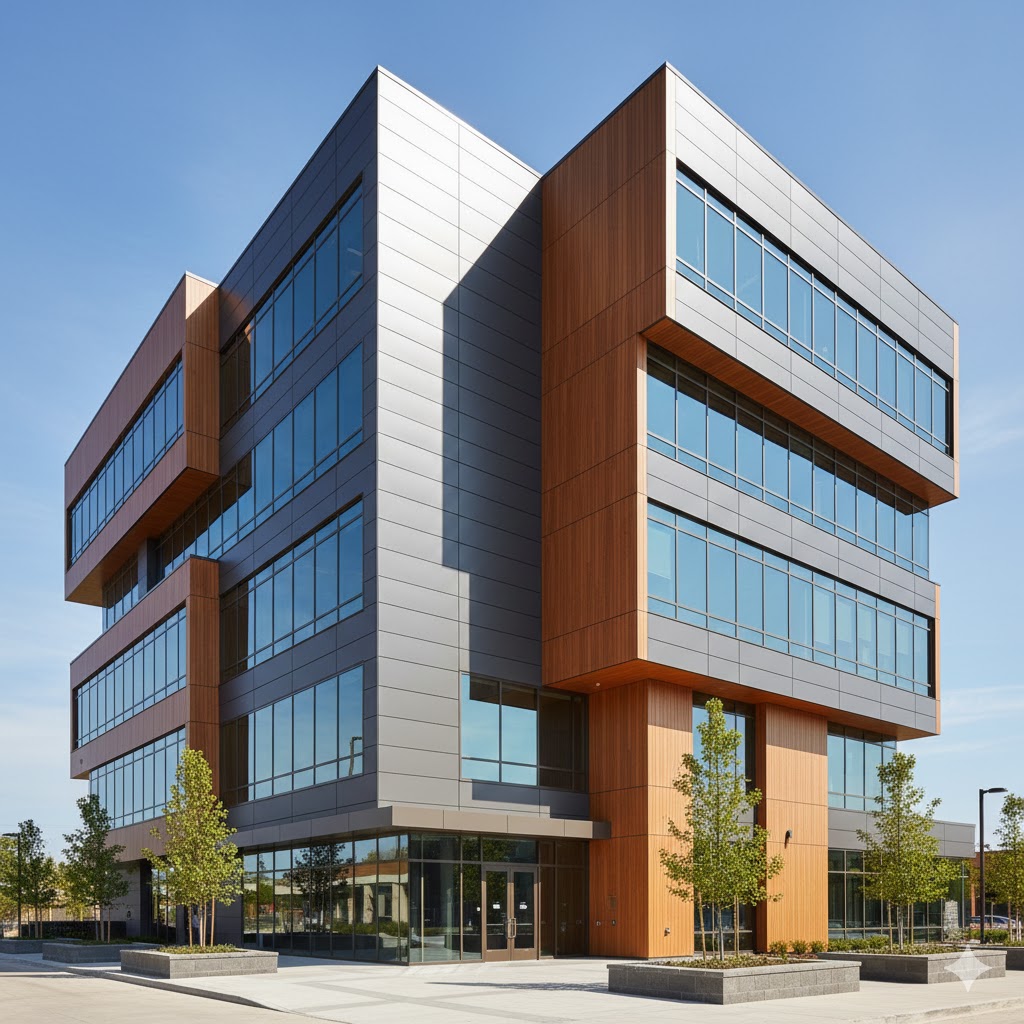
Commercial Building Siding in Chicago: Smart Exterior Solutions for Modern Business Properties

The exterior of a commercial building is more than a protective shell. It represents your brand, influences first impressions, and plays a critical role in long-term operating costs. In today’s competitive market, commercial building siding in Chicago must balance durability, energy efficiency, low maintenance, and modern design.

From office buildings and retail centers to warehouses and medical facilities, choosing the right siding system is one of the most important exterior investments for property owners in the Chicago area.

The Role of Siding in Commercial Building Performance
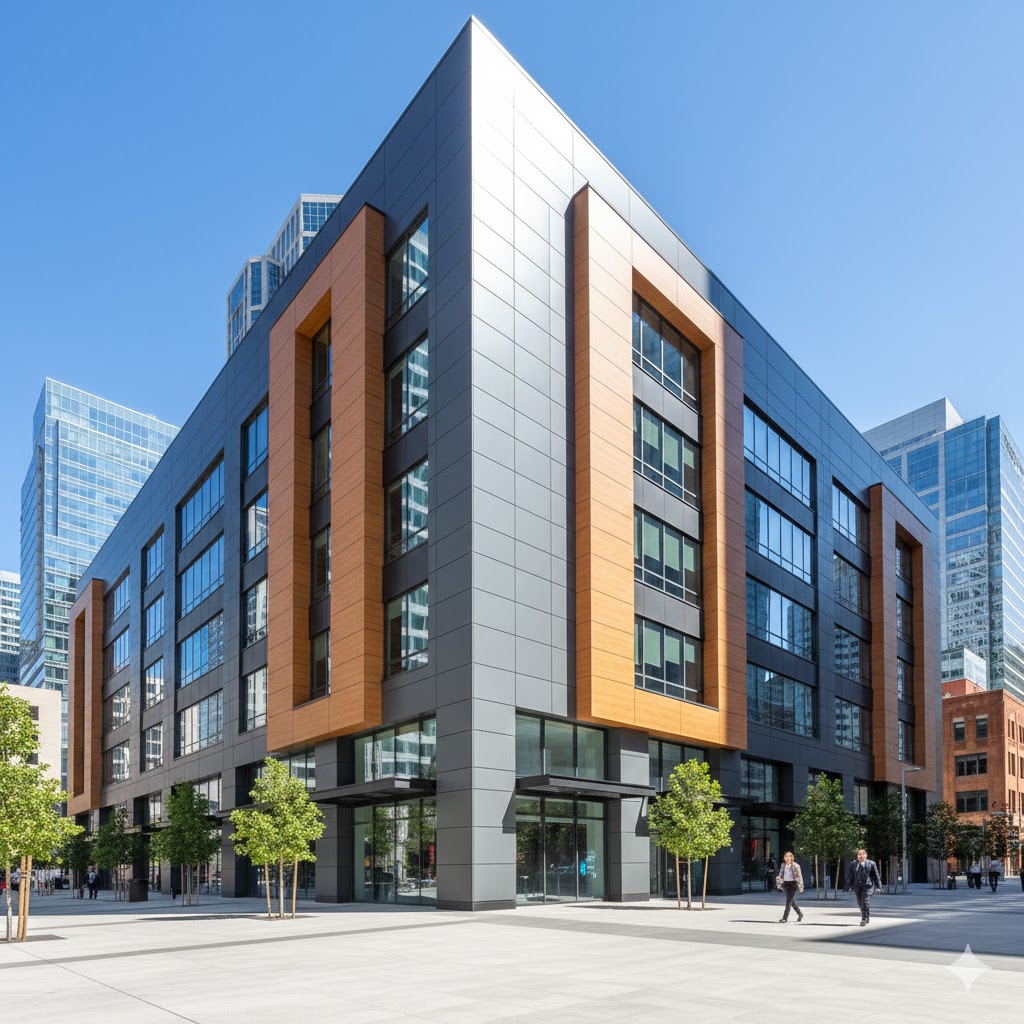
Unlike residential exteriors, commercial siding systems in Chicago are designed to perform under heavier use and harsher conditions. They must withstand constant exposure to wind, rain, sun, pollution, and temperature changes while maintaining a professional appearance in an urban environment.

Well-designed commercial siding systems improve:

✔ Weather resistance and moisture control
✔ Thermal insulation and energy efficiency
✔ Fire resistance and code compliance
✔ Sound control in busy environments
✔ Long-term structural protection

The right siding system protects the building envelope and reduces future maintenance costs.

Common Types of Commercial Siding Systems
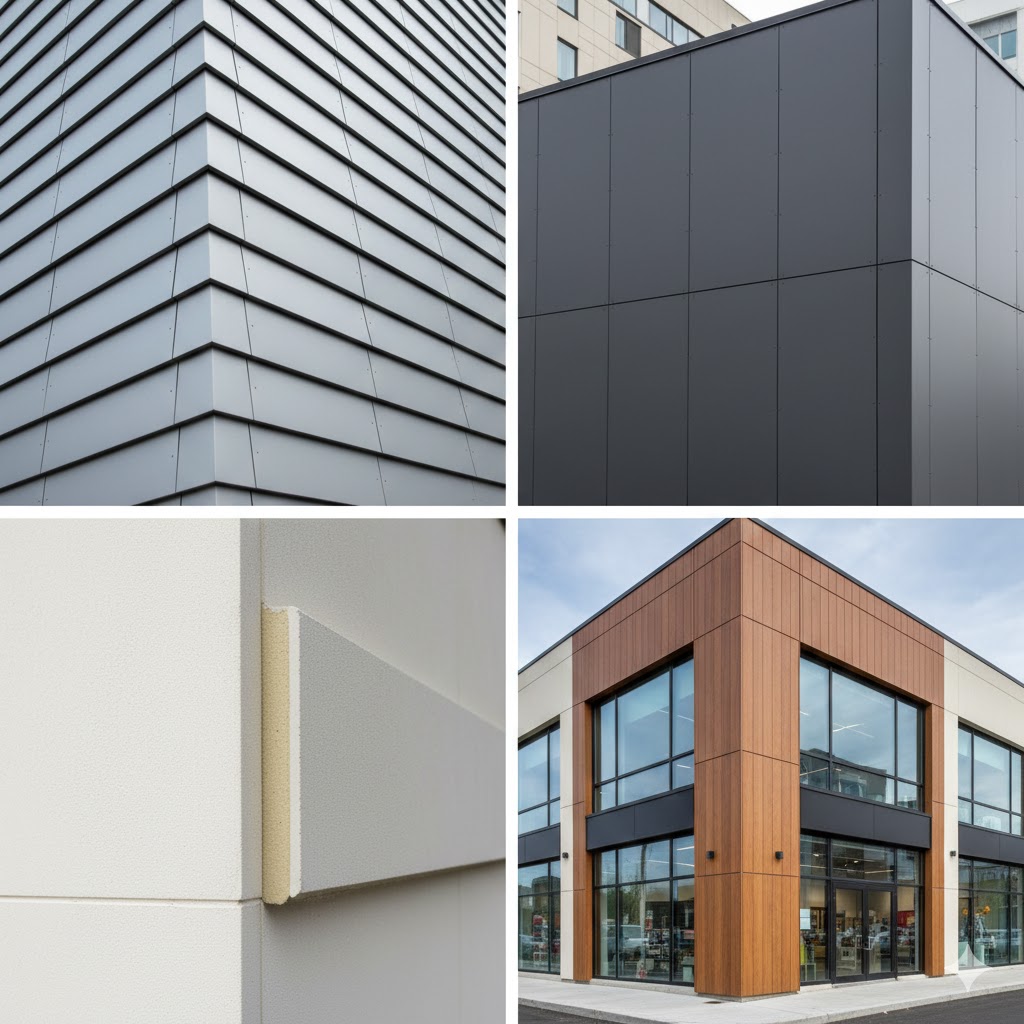
Chicago commercial properties use a variety of siding materials, each tailored for specific performance needs:

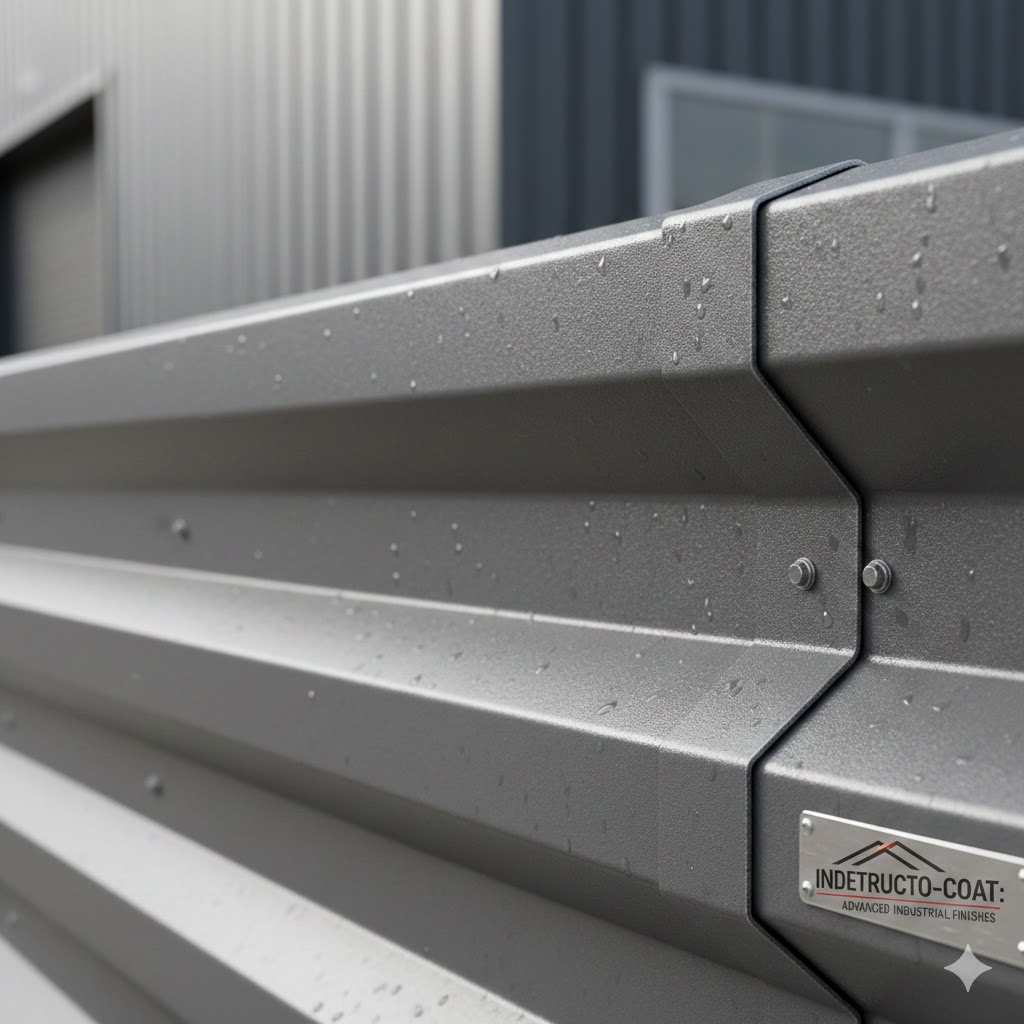
Metal panel siding – favored for industrial and modern buildings due to strength, clean lines, and fire resistance.

Fiber cement panels – balance durability with architectural flexibility.

Insulated wall panels – provide exterior cladding and thermal control in a single system.

Other options include architectural precast panels, brick veneer, EIFS (Exterior Insulation and Finish Systems), and composite cladding for large-scale applications. Material choice depends on building use, local climate, fire ratings, and budget.

Design Trends in Commercial Siding

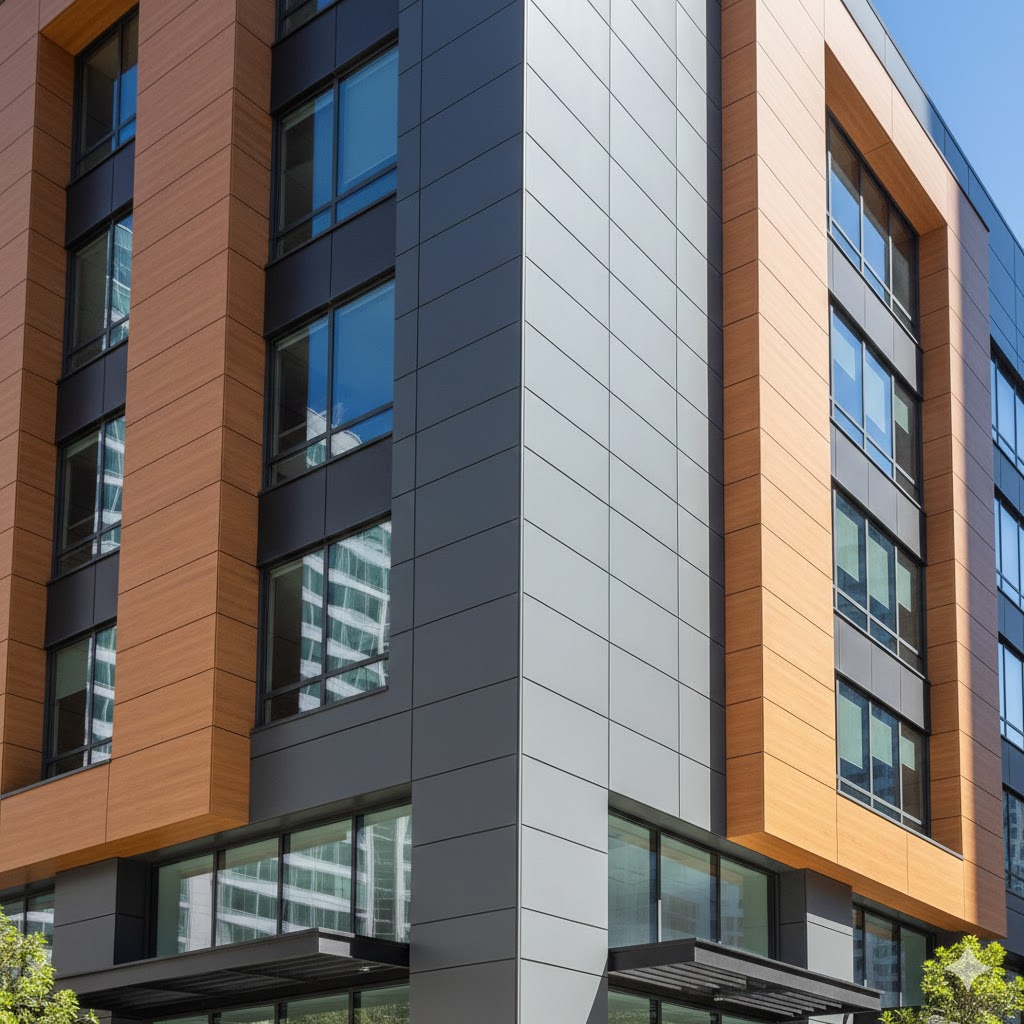
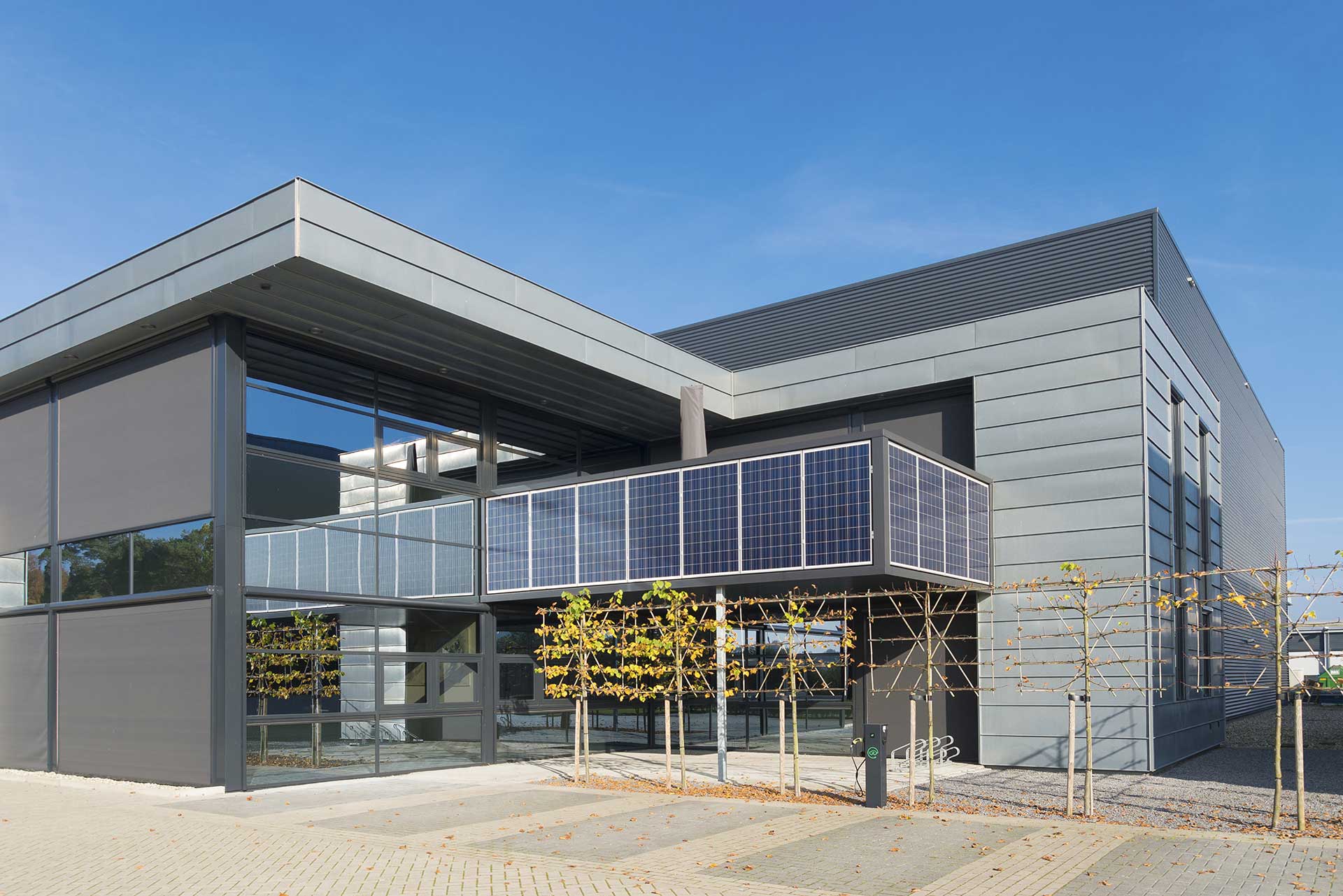
Modern Chicago commercial buildings increasingly feature layered exteriors, textured surfaces, and mixed materials. Popular combinations include metal panels with masonry accents, large-format panels to reduce seams, vertical and horizontal banding, and recessed or projecting facade elements.

Color choices often favor neutral tones with bold accent panels that highlight entrances and support brand identity across urban business districts.

Energy Efficiency and Building Performance

Energy performance is a top priority in commercial construction. Modern siding integrates with the building envelope to improve air sealing, reduce thermal bridging, and work with continuous insulation layers. Insulated panel systems stabilize interior temperatures, helping lower HVAC operating costs—especially important for larger commercial properties in Chicago.

Even small energy improvements can produce significant long-term savings.

Durability and Low-Maintenance Requirements
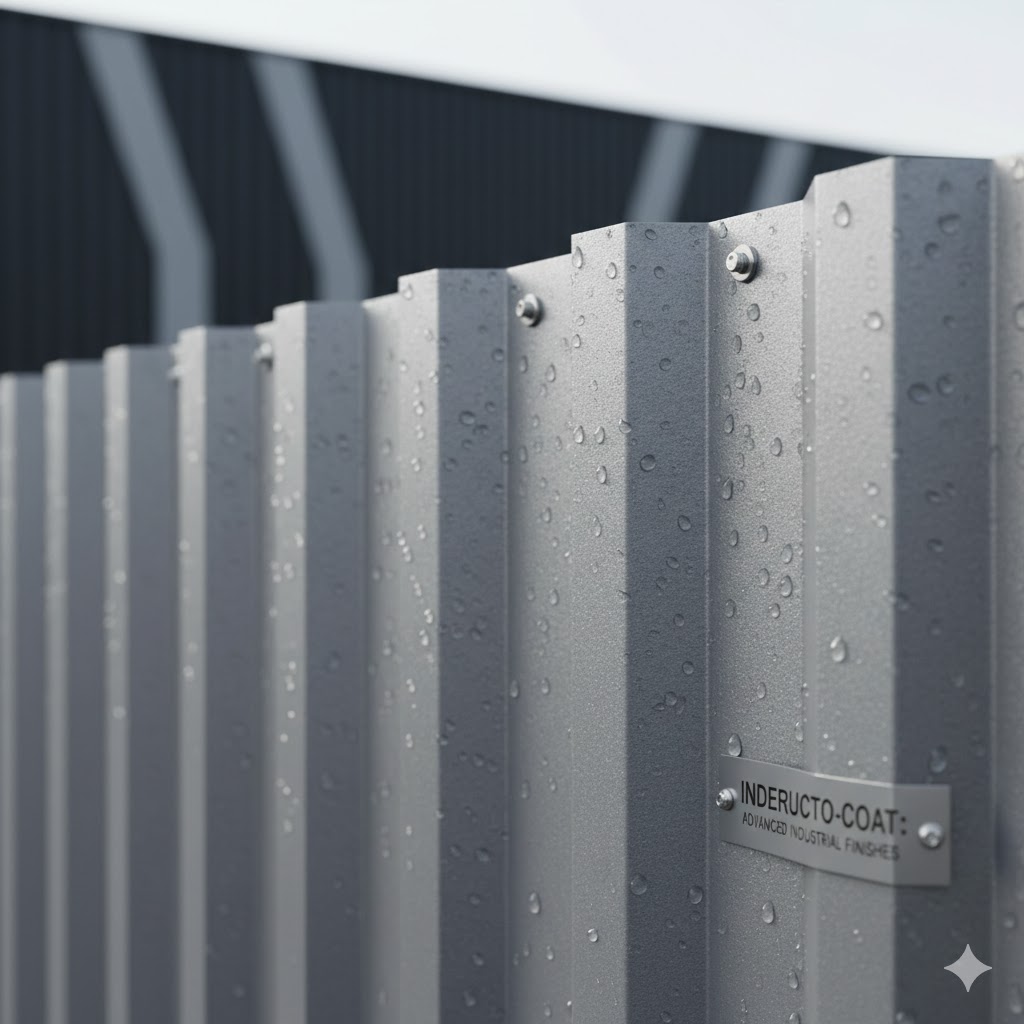
Commercial siding must perform reliably for decades. In Chicago, materials need to resist corrosion, moisture, UV fading, impact, and freeze-thaw cycles. Factory-applied finishes minimize repainting, and modular panel systems allow individual sections to be replaced without disturbing the entire facade.

Low-maintenance siding reduces downtime, repair costs, and tenant disruption.

Code Compliance and Safety
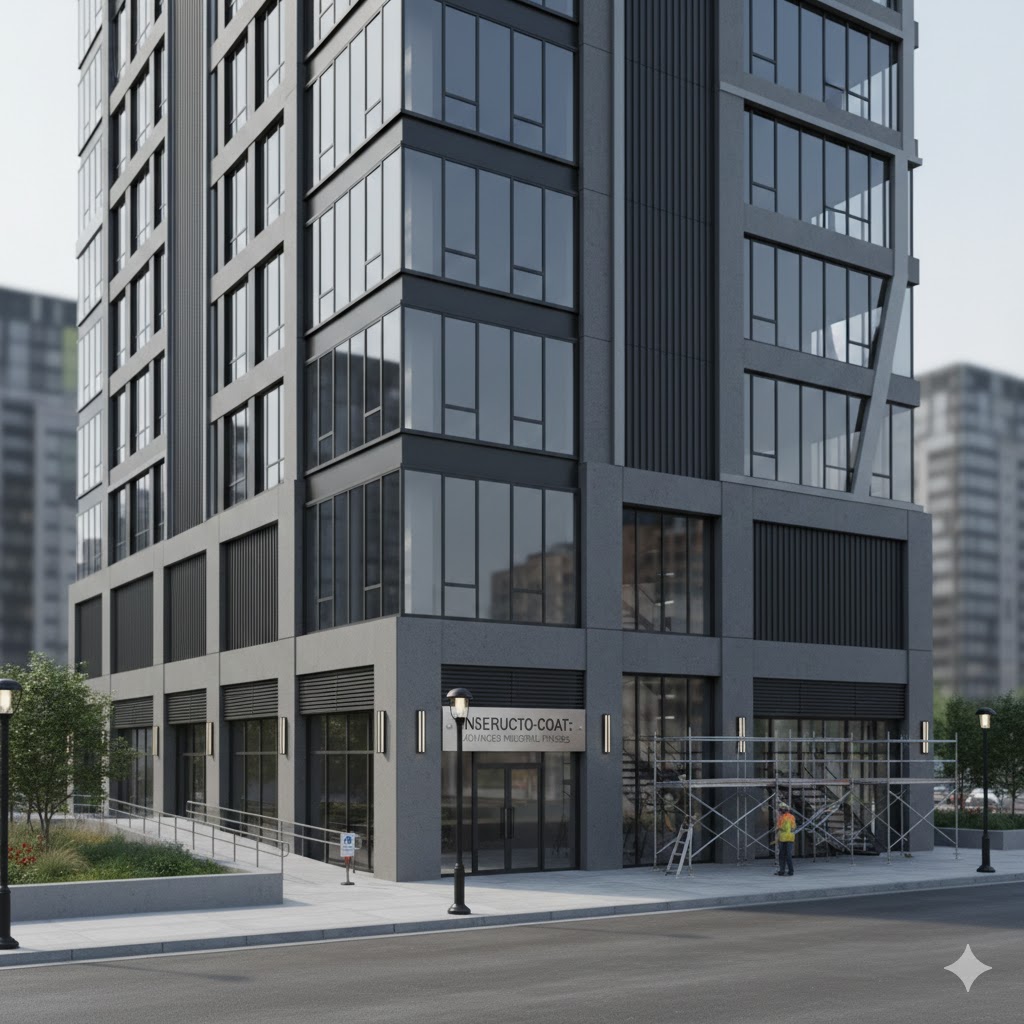
Commercial siding must meet strict building codes and safety standards, including fire ratings, wind load resistance, impact resistance, and moisture management. Certain building types, such as healthcare facilities, schools, and high-rises, require specialized systems to meet enhanced safety requirements.

A qualified Chicago commercial contractor ensures all systems comply with local codes, zoning regulations, and inspection standards.

Installation Planning and Project Management
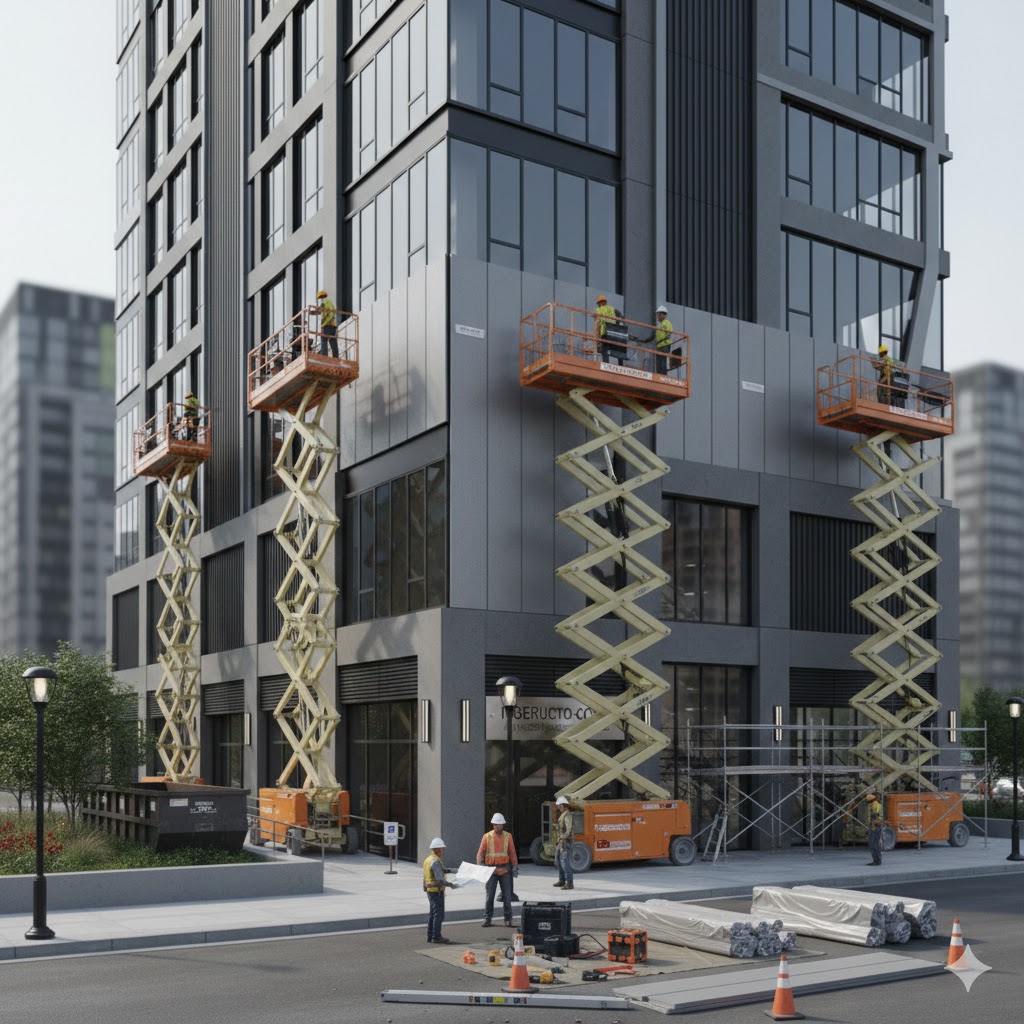
Installing commercial siding requires careful coordination. Scheduling must align with business operations, tenant access, safety protocols, and Chicago weather patterns.

Pre-construction planning includes substrate evaluation, moisture barrier integration, insulation design, fastening systems, and expansion joint placement. Large-scale projects may be phased to minimize disruption. Professional project management ensures quality control, compliance, and timely completion.

When to Repair, Replace, or Upgrade
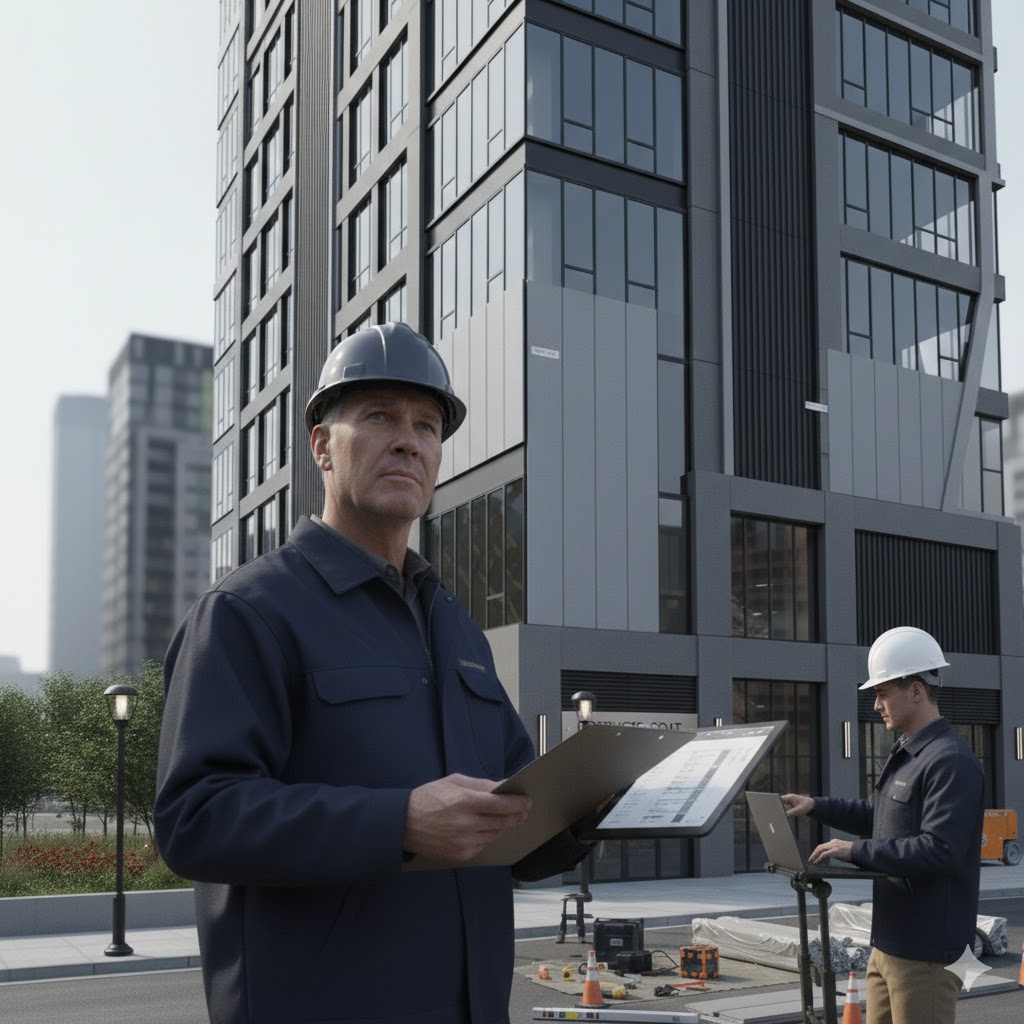
Even high-quality siding eventually shows signs of wear. Look for water infiltration, panel delamination, corrosion, loose fasteners, or visible movement. Some issues require targeted repairs, while others may call for full replacement or over-cladding.

A professional Chicago facade inspection helps determine the most cost-effective strategy to extend building life and protect structural integrity.

Choosing the Right Commercial Siding Contractor in Chicago

Commercial siding projects demand expertise. The right contractor understands building envelope design, local safety regulations, staging systems, and scheduling requirements. A qualified Chicago commercial siding contractor offers engineering support, material sourcing, warranty protection, and long-term service planning.

Investing in commercial building siding in Chicago protects your property, enhances efficiency, and improves professional image. Modern siding systems combine durable materials, intelligent design, and performance-driven engineering. Working with an experienced contractor ensures your building remains secure, attractive, and cost-efficient for years to come.
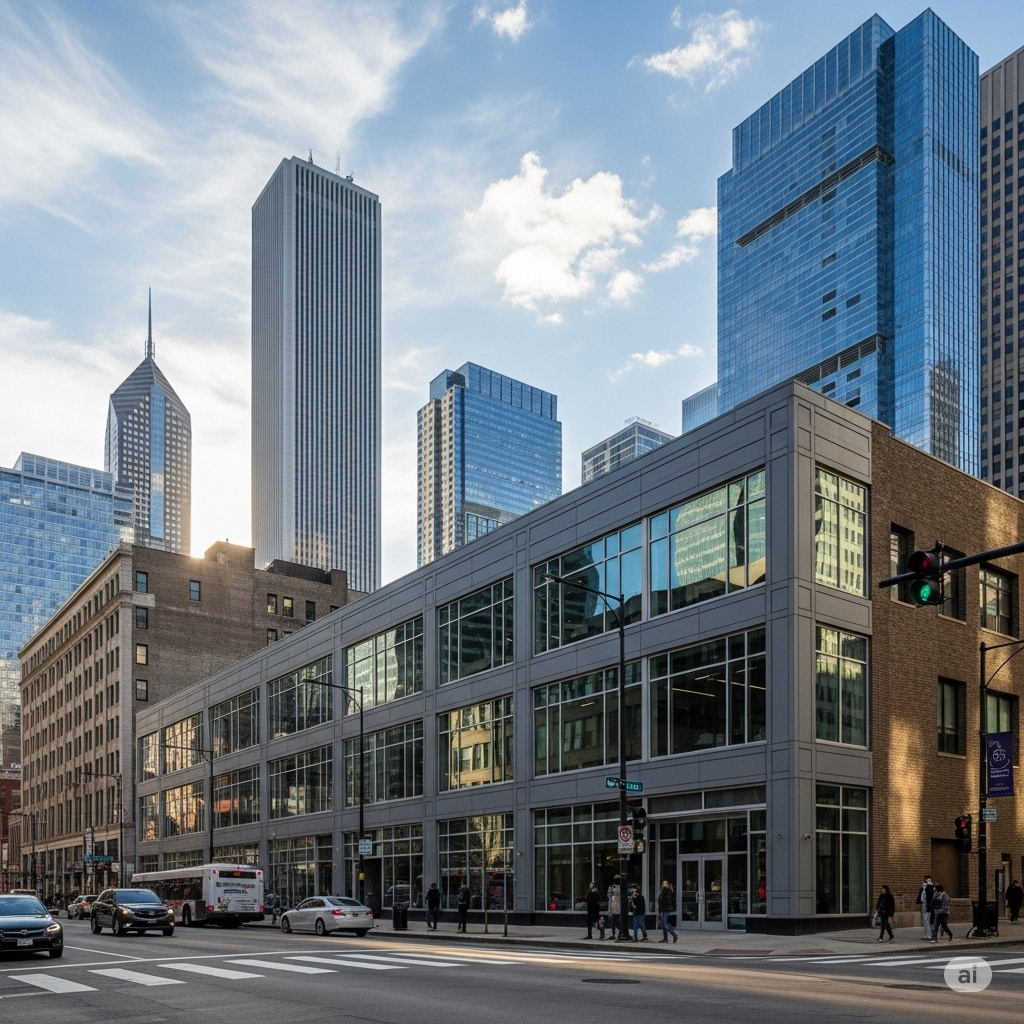
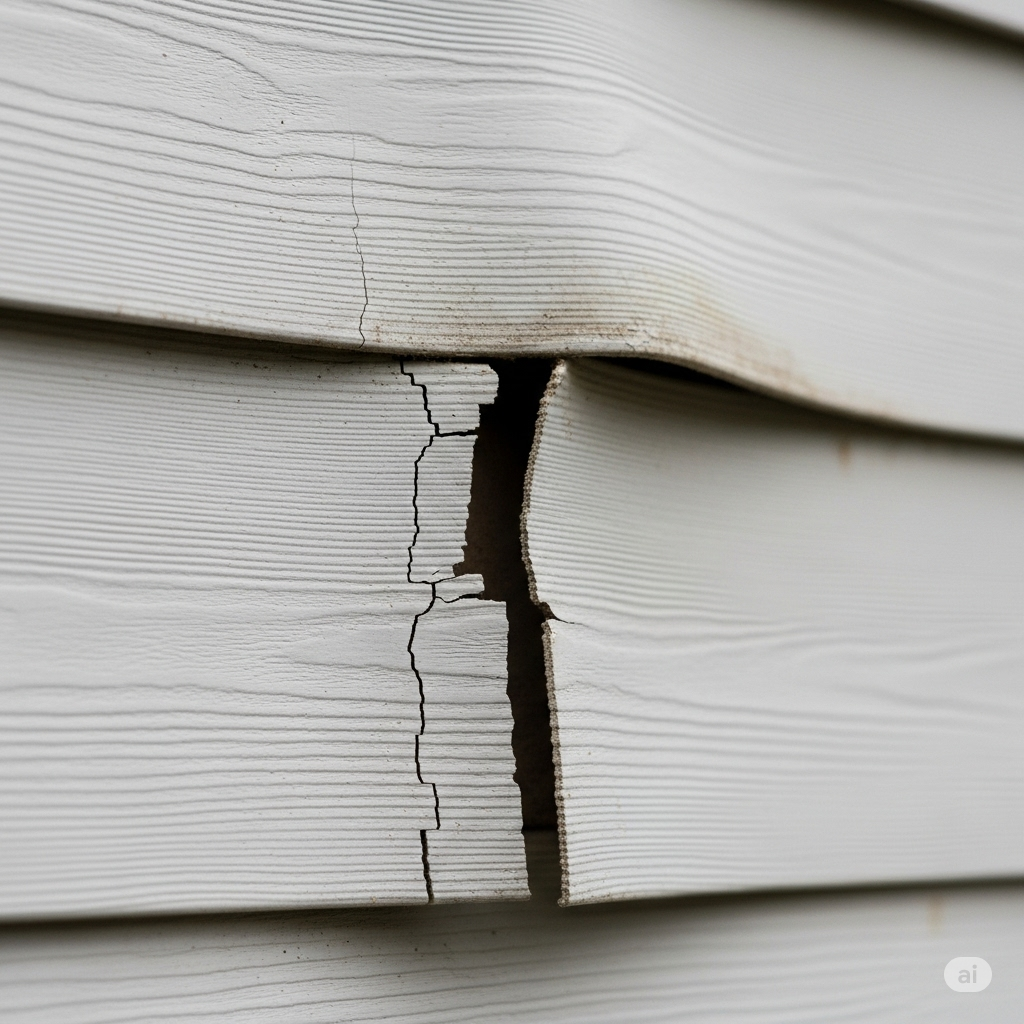
Small Siding Repairs That Make a Big Difference for Your Chicago Commercial Building

In a bustling city like Chicago, first impressions matter—especially for commercial properties. Your building’s siding is one of the first things clients, tenants, or customers notice. Cracked panels, faded colors, or loose siding not only look bad but can also lead to bigger problems if ignored. While full siding replacements may not be in the budget, the truth is that small siding repairs can make a big difference in protecting and enhancing your Chicago commercial building.

Chicago’s climate is tough on exterior materials. High winds, rain, snow, ice, and extreme temperature shifts all take a toll on building siding. Over time, even the most durable materials like vinyl, metal, fiber cement, or wood can develop issues—warping, cracking, fading, or coming loose. These minor problems often go unnoticed or ignored until they cause interior damage, water leaks, insulation failure, or pest intrusion.

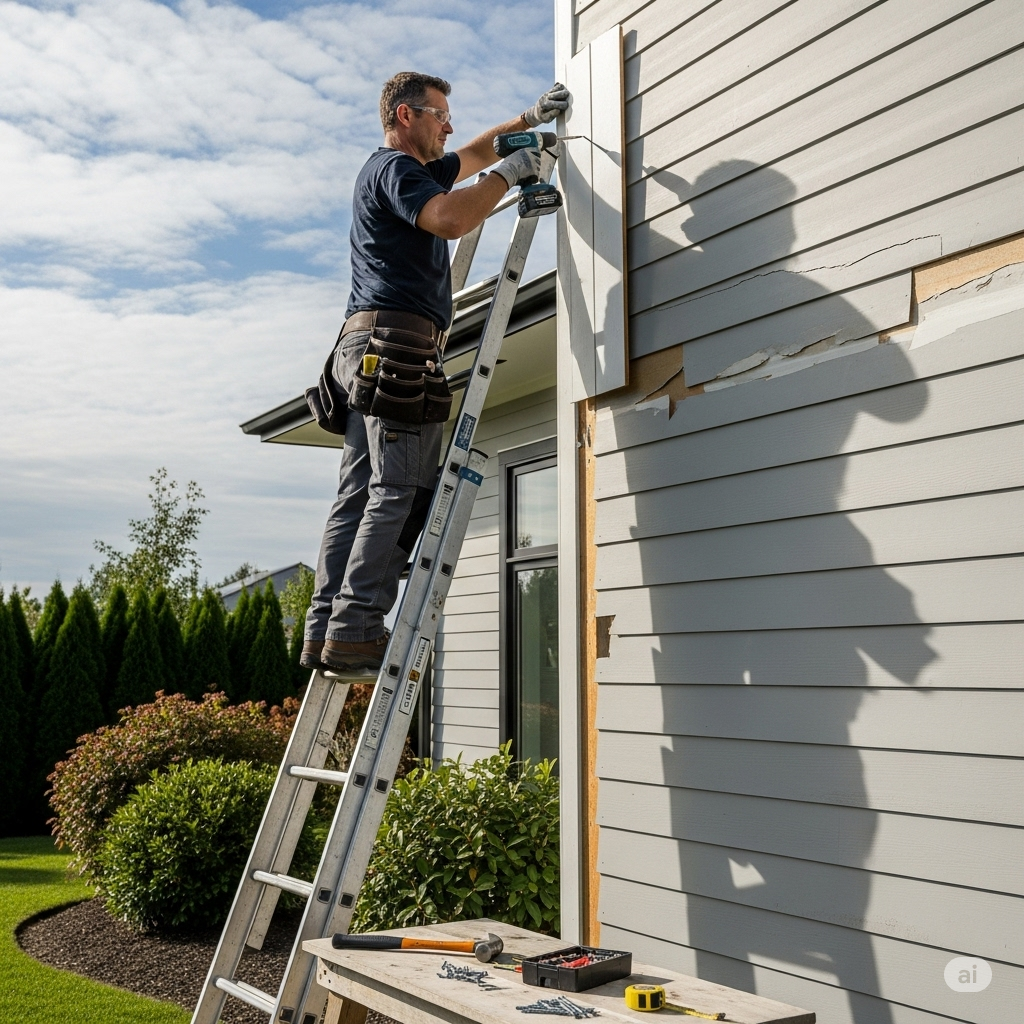
That’s why it’s so important to address small siding issues early. Replacing just a few cracked or damaged panels, sealing open joints, repainting worn sections, or securing loose fasteners can extend the lifespan of your entire siding system. For business owners and property managers in Chicago, this means protecting your investment while avoiding the high cost of major repairs or full replacements down the road.

Beyond protection, siding repairs instantly improve curb appeal. In a competitive market like Chicago, maintaining a clean, professional-looking building can make a big difference for retail shops, office buildings, apartment complexes, and industrial properties alike. Whether it’s refreshing your storefront or fixing siding damage in a tenant-heavy area, appearance matters—and small updates often yield big results.

Small siding repairs are also faster and more affordable than full-scale renovations. They can be done with minimal disruption to tenants or business operations, making them ideal for busy commercial buildings. Plus, local siding professionals understand the materials and building codes specific to Chicago’s commercial properties, ensuring quality work that stands up to the city’s weather.

If you’ve noticed any gaps, fading, cracking, or bulging in your siding—or if your energy bills are rising due to poor insulation—now is the time to act. Regular inspections and timely repairs are a smart way to avoid emergencies, protect your structure, and keep your business looking its best.

In the end, small siding repairs help keep your commercial building functional, efficient, and professional-looking, all while saving money over time. In a city like Chicago, that’s not just smart maintenance—it’s good business.

Siding for Commercial Buildings

1. Overview of Siding Options for Commercial Buildings

Metal Siding: Known for its durability and sleek, modern appearance, metal siding is commonly used in industrial and commercial applications. It’s resistant to fire, pests, and extreme weather conditions, making it a long-lasting choice.

Fiber Cement Siding: This type of siding offers the look of wood with greater durability and resistance to pests and fire. It’s a popular choice for businesses that want the aesthetic appeal of wood without the high maintenance.

Vinyl Siding: An affordable, low-maintenance option, vinyl siding comes in a variety of styles and colors. It’s easy to clean and can withstand various weather conditions, making it a practical choice for many commercial buildings.

Brick and Stone Veneer: Providing a classic, high-end look, brick and stone veneer siding offers excellent durability. It’s ideal for businesses looking to convey a sense of permanence and stability

2. Benefits of Siding for Business Premises

Enhanced Curb Appeal: Attractive siding can make a commercial building more inviting and professional-looking, which can attract more customers. A visually appealing exterior can create a positive first impression and set your business apart.

Durability and Low Maintenance: High-quality siding materials can withstand harsh weather conditions and require minimal maintenance, reducing long-term costs. This ensures that the building remains in good condition with less effort and expense.

Energy Efficiency: Insulated siding options can help improve the building’s energy efficiency, leading to lower heating and cooling costs. This not only saves money but also reduces the building’s environmental impact.

Increased Property Value: Upgraded siding can increase the value of a commercial property, making it a more attractive investment. Potential buyers or tenants are likely to appreciate the aesthetic and practical benefits of quality siding.

3. Case Studies of Commercial Buildings with Notable Siding Projects

Retail Stores: Numerous retail stores have used innovative siding solutions to create eye-catching storefronts. For example, a clothing boutique might choose colorful vinyl siding to reflect its vibrant brand, while a luxury goods store might opt for sleek metal siding to convey sophistication.

Office Buildings: Many office buildings have improved their aesthetics and energy efficiency through siding upgrades. A tech company, for instance, might use modern fiber cement siding to project a cutting-edge image, while also benefiting from its durability and low maintenance.

Restaurants and Cafes: Highlighting restaurants and cafes that have used unique siding materials to create a distinct atmosphere. A café might use brick veneer siding to create a cozy, rustic look, while a modern restaurant could choose a combination of metal and wood siding for a trendy, contemporary feel.

By considering these siding options and their benefits, businesses can enhance their premises, attract more customers, and increase property value. Whether it’s through modern materials, energy-efficient solutions, or unique aesthetic choices, siding plays a crucial role in the overall success of commercial buildings.