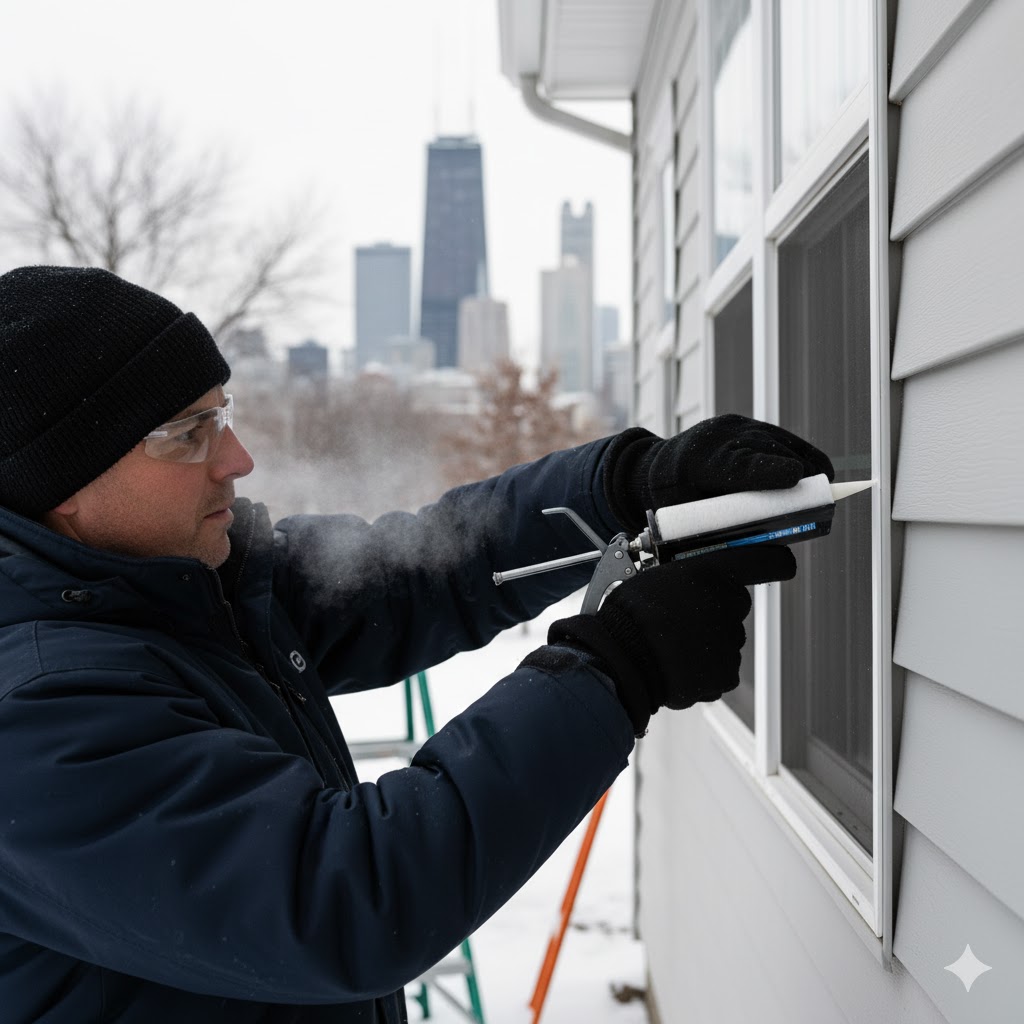
Winter Is Coming to Chicago — Are Your Siding, Windows, and Doors Ready?

Cold drafts, rising energy bills, and frozen frames are all signs that your home’s exterior might be struggling to handle another Chicago winter.
When temperatures drop, your siding, windows, and doors do more than make your house look good — they protect it from wind, water, and heat loss.

If you’ve felt cold air sneaking in or noticed condensation on your windows, now’s the time to act before the first big freeze hits.
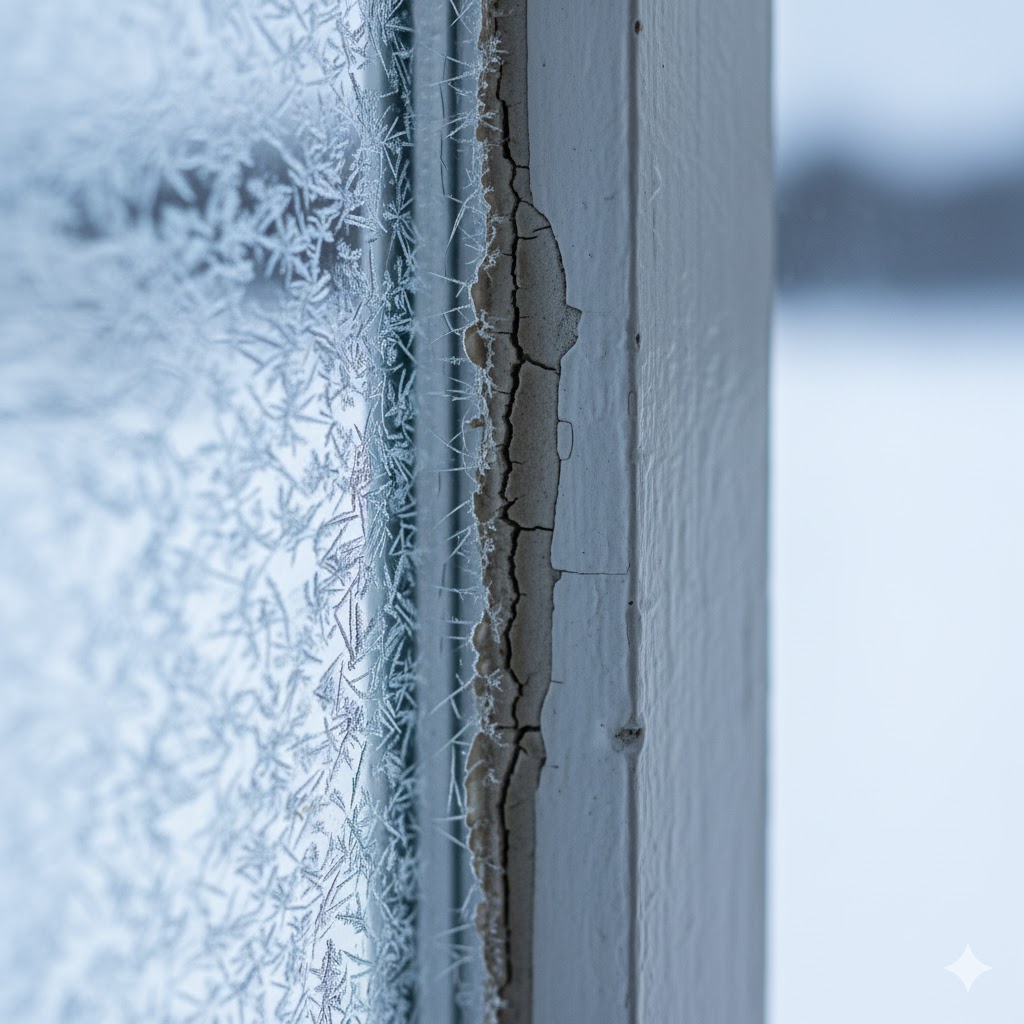

The Problem: Hidden Weak Spots That Let the Cold In

Every year, Chicago homeowners lose hundreds of dollars in energy costs because of small gaps, cracks, and leaks around windows, doors, and siding.
These weak spots let cold air in and warm air out — forcing your furnace to work overtime.

Common warning signs include:

  • Drafts near windows or door frames
  • Peeling caulk or warped siding panels
  • Higher utility bills without a temperature change
  • Condensation or frost buildup on glass
  • Doors that don’t close or seal tightly

Left unchecked, these issues don’t just raise costs — they can lead to water infiltration, rot, and insulation damage over time.

The Insight: Why Exterior Systems Work Together

Your siding, windows, and doors are connected systems — not separate parts.
When one fails, it affects the others.

  • Damaged siding allows moisture behind walls that warps window frames.
  • Worn weatherstripping around doors lets warm air escape.
  • Poor insulation between these systems creates cold zones and condensation.

A strong, well-sealed exterior keeps your home warmer, quieter, and more efficient all winter long.

The Solution: Inspect, Seal & Upgrade Before It Freezes

Early winter preparation is the best way to avoid emergency repairs later.
Professional contractors can identify and fix exterior leaks, reseal joints, and install energy-efficient products designed for Chicago’s unpredictable climate.

Recommended winter prep steps:

  • Siding Inspection & Repair: Fix cracks, warped panels, and loose boards to stop drafts and moisture entry.
  • Window Tune-Up or Replacement: Check glazing, replace damaged seals, and upgrade to double-pane or Low-E glass for better insulation.
  • Door Realignment & Weatherstripping: Adjust frames and replace worn seals to keep cold air out.
  • Caulking & Sealing: Apply high-grade, weather-resistant caulk around joints and corners.
  • Exterior Cleaning: Remove dirt and debris to prevent freeze-thaw buildup around sills and seams.

Even small improvements can significantly boost comfort and reduce energy use during Chicago’s long, cold months.

The Chicago Advantage: Local Expertise Matters

Homes in the Midwest experience dramatic temperature swings — and materials expand and contract with every freeze and thaw.
That’s why local Chicago contractors use siding and window systems engineered for our climate — durable materials that resist cracking, warping, and moisture damage even in subzero conditions.

Choosing a local expert means repairs that last longer and protect better against Chicago’s toughest winters.

The Call to Action: Protect Your Home Before Winter Takes Over

Before the snow and wind start hammering your home, make sure your siding, windows, and doors are in top shape.
A quick inspection today can save you from costly energy loss, leaks, and repairs tomorrow.

Schedule your winter exterior inspection now with trusted Chicago home improvement professionals — and enjoy a warmer, more efficient home all season long.
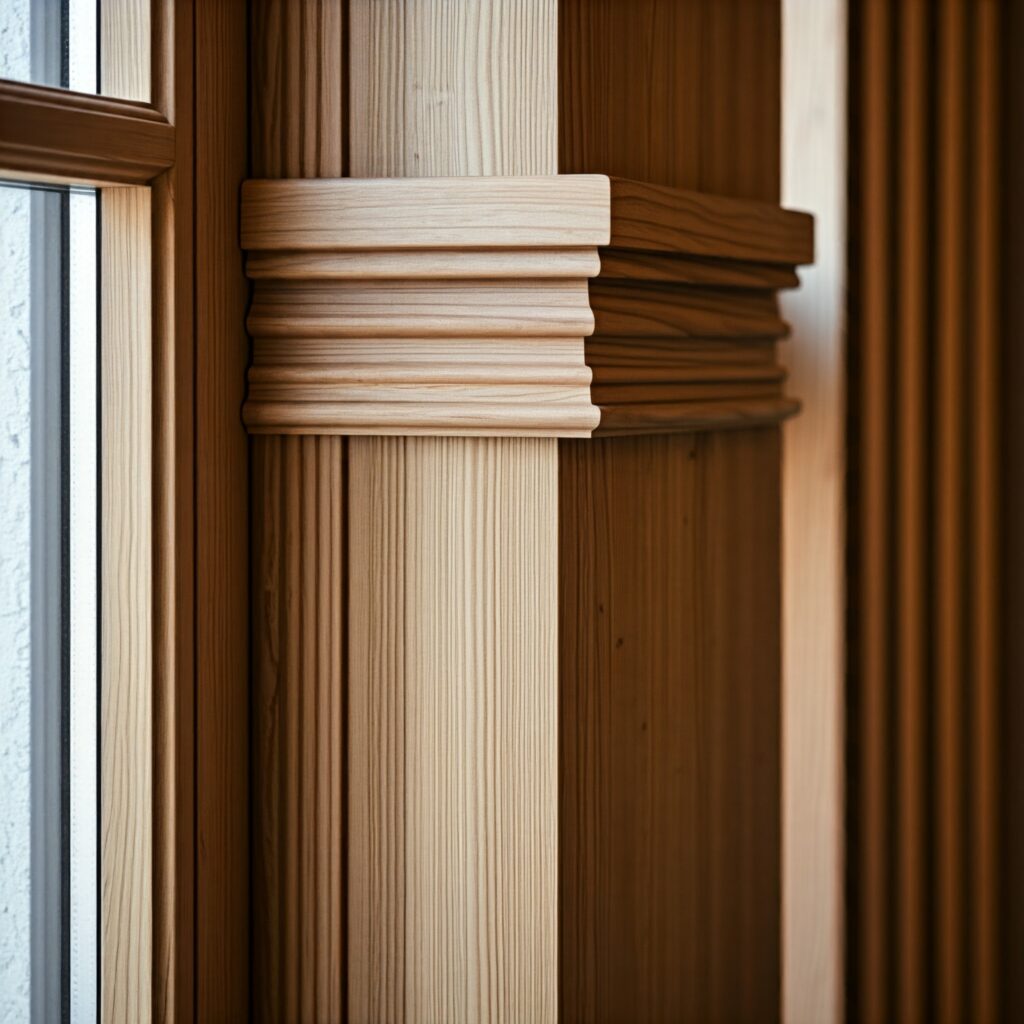
Siding Trim Around Windows: Enhancing Your Chicago Home’s Look and Efficiency

Siding trim around windows, often called “window trim” or “window casing,” plays a vital role in both the look and function of your Chicago home’s exterior. While siding protects your home from harsh Midwestern weather, window trim adds an extra layer of protection and creates a polished transition between windows and siding. Properly installed window trim not only prevents moisture and air leaks but also boosts curb appeal, making it a critical component of any well-designed home exterior in Chicago.

Why Window Trim Is Important

  1. Sealing Against the Elements
    Window trim is essential in protecting your Chicago home from moisture intrusion. Without proper trim, rainwater could seep between the window and siding, leading to mold, wood rot, and even structural damage over time. In Chicago’s climate, characterized by heavy rain, snow, and extreme temperature fluctuations, window trim ensures a tight seal, preventing moisture from finding its way inside. Properly installed trim also helps block drafts, which can be particularly beneficial during the city’s cold winters and hot summers, helping maintain comfortable indoor temperatures and reduce energy costs.
  2. Enhancing Aesthetic Appeal
    The right window trim can add a finishing touch to your home’s architectural style. Trim comes in various materials, such as wood, fiber cement, or PVC, and can be customized to match the color and design of the siding. For example, thicker trim in contrasting colors can create a bold, defined look, while a sleek, thin casing might suit more modern Chicago homes. Choosing the right style, color, and profile for your trim can complement the overall aesthetic, making your windows look more refined and your home more cohesive.
  3. Improving Insulation and Energy Efficiency
    A well-installed window trim functions as an added insulation layer around windows. Gaps or poorly sealed windows can be a significant source of heat loss, impacting energy bills and home comfort in Chicago. Trim with good insulation properties—especially when paired with proper flashing—minimizes air leaks, reducing the need for excessive heating or cooling. This energy-saving benefit is particularly valuable in an area where seasonal temperature extremes can lead to skyrocketing utility costs.
  4. Concealing Installation Seams
    Siding and window materials often don’t fit together perfectly, and window trim helps to cover up any irregular seams. It provides a neat finish by bridging the gaps and concealing edges, giving your Chicago home a professional, polished look.

Choosing the Right Material for Window Trim

Several materials are commonly used for window trim in Chicago, each with its pros and cons:

  • Wood Trim: Known for its classic look, wood trim can be stained or painted to match the exterior’s style. However, it requires regular maintenance to prevent moisture damage and warping, especially in Chicago’s wet winters.
  • PVC and Vinyl Trim: PVC and vinyl trims are durable, low-maintenance options that resist moisture and insect damage. They’re ideal for Chicago homeowners seeking minimal upkeep and are available in various colors to complement most siding styles.
  • Fiber Cement Trim: This option offers excellent durability and is resistant to both moisture and extreme temperatures. Fiber cement trim works well in Chicago’s variable climate, as it doesn’t expand or contract as much as other materials, providing a long-lasting, sturdy trim solution.
  • Aluminum Trim: Aluminum is durable and lightweight, making it another low-maintenance option. However, it’s typically used in combination with other materials, as it’s not always as visually appealing as wood or fiber cement.

Window Trim Installation and Maintenance Tips

To get the best performance from your window trim, it’s essential to ensure proper installation and upkeep. Here are some tips to keep your trim in optimal condition:

  • Use Quality Flashing: Flashing around the window trim is crucial to channel water away from the frame, particularly in high-rain areas like Chicago. Flashing is typically placed under the siding and trim to form a water-resistant barrier.
  • Seal Joints and Gaps: Any gaps between the trim and siding should be sealed with caulk to prevent water and air infiltration. Choose a high-quality, paintable caulk for the best durability.
  • Regular Inspections: Regularly inspect your trim for signs of damage, including cracks, peeling paint, or gaps. Early detection of issues allows you to address them before they escalate into larger problems.
  • Repaint or Reseal as Needed: Wooden trims may need to be repainted or resealed periodically, while PVC and vinyl trims require minimal upkeep aside from occasional cleaning.

The Value of Professional Installation in Chicago

Window trim installation requires precision to ensure a tight, weather-resistant seal. Working with a local Chicago professional ensures that the trim is installed correctly, with proper flashing and sealing, to protect your home against the elements. An expert installer can also recommend the best material and design for your home, maximizing durability and visual appeal.

In conclusion, window trim around your siding is more than just a decorative feature—it’s a functional necessity that enhances your Chicago home’s protection, energy efficiency, and curb appeal. Choosing the right materials and keeping up with routine maintenance can extend the life of your trim and help you avoid costly repairs in the future. Whether updating your siding or focusing on the trim itself, giving attention to this detail can make a noticeable difference in the appearance and performance of your home’s exterior in Chicago.