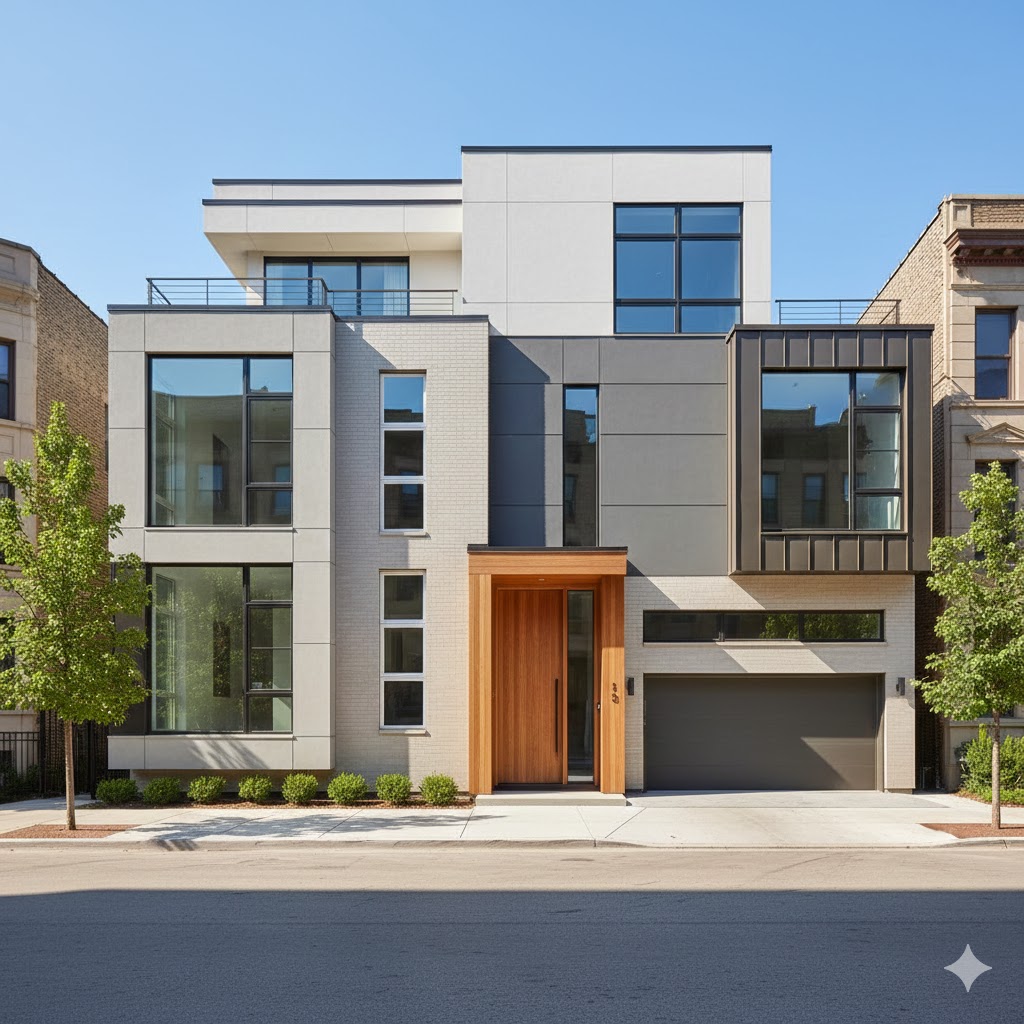
Window and Door Siding Comparison for Modern Homes in 2026

Choosing the right siding around your windows and doors is one of the most important decisions you can make for your home’s exterior. The materials you select affect everything—from energy efficiency and durability to curb appeal and long-term maintenance. With new building trends emerging in 2026, homeowners are looking for siding options that offer better protection, stronger insulation, and a clean, modern finish.

This guide breaks down the most popular window and door siding materials, helping you understand how they perform, how they look, and which option fits your home’s needs best.
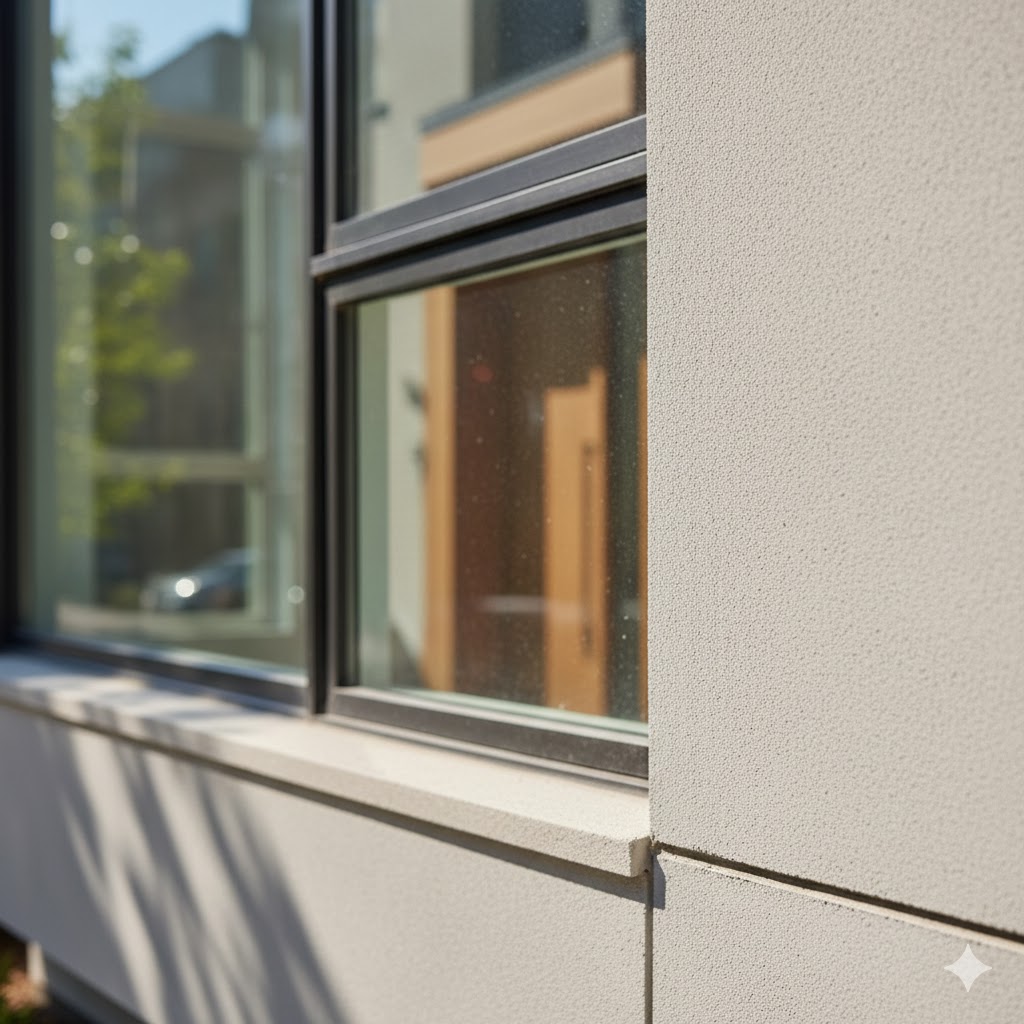
Fiber Cement Around Windows and Doors

Fiber cement siding continues to be a top choice for homeowners who want long-term durability. It resists moisture, pests, warping, and cracking—issues commonly found in older homes.

Benefits:

  • Highly weather resistant
  • Excellent for sealing around window and door frames
  • Fire resistant
  • Holds paint well for long-lasting color

Best For: Homes in harsh climates and homeowners wanting a premium, low-maintenance upgrade.
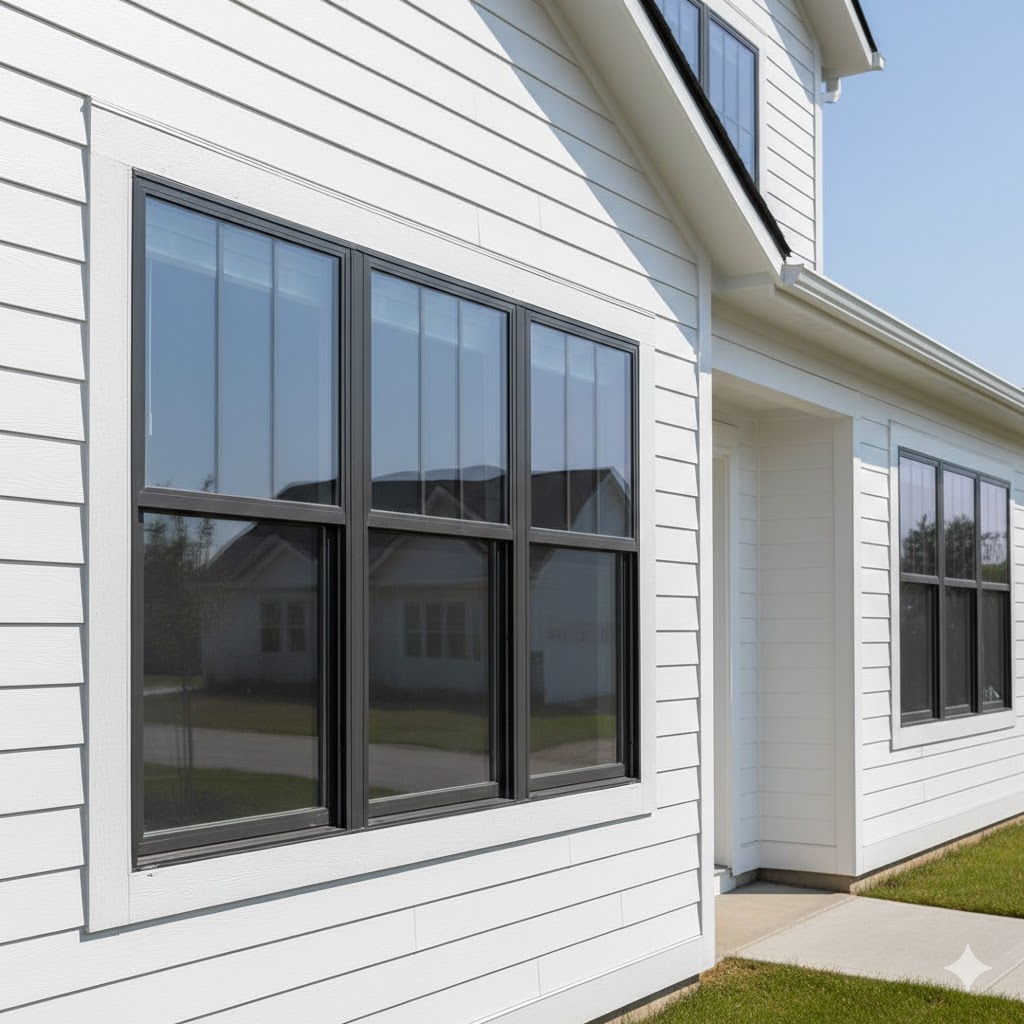
Vinyl Siding Trim for Windows and Doors

Vinyl remains one of the most affordable and versatile choices. Modern vinyl siding offers far better insulation and appearance than older versions, making it a strong contender.

Benefits:

  • Budget-friendly
  • Wide color selections
  • Low maintenance
  • Easy installation around frames

Best For: Budget-conscious homeowners and large siding projects.
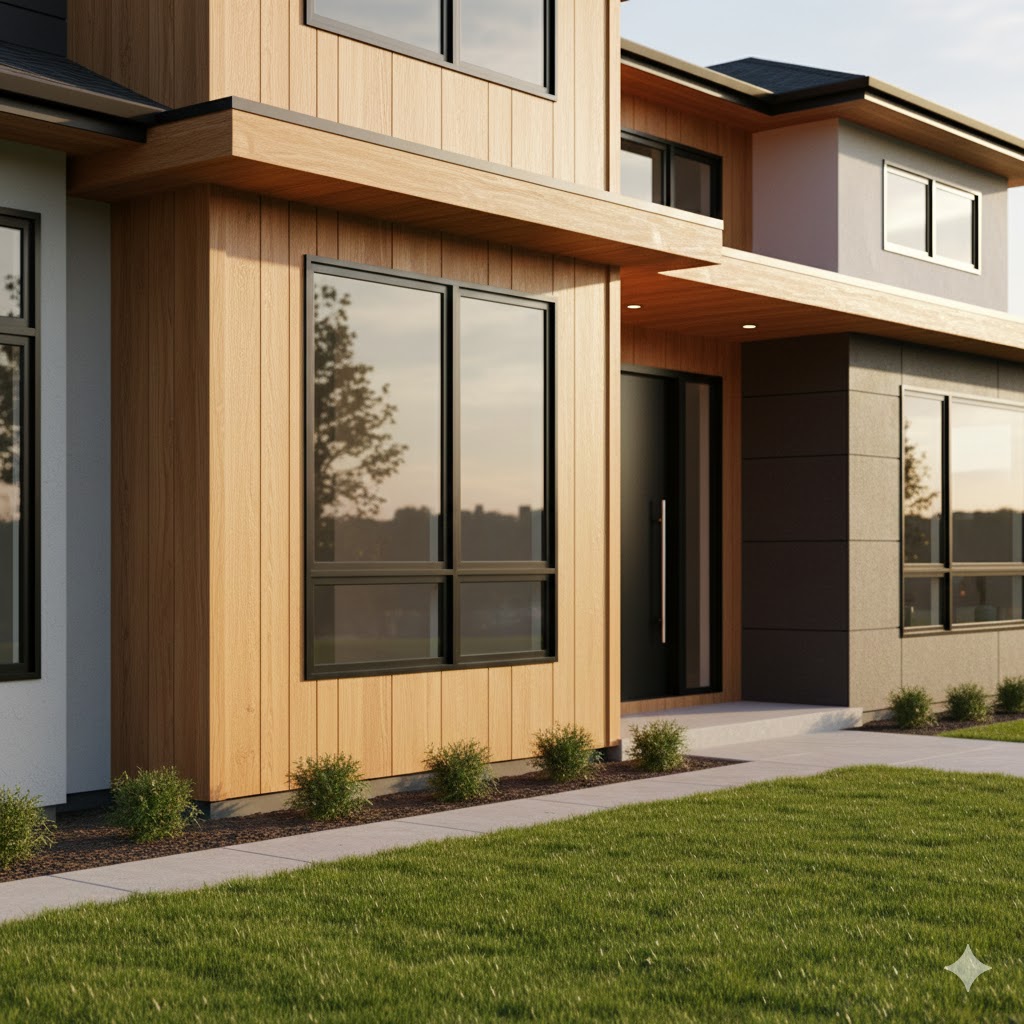
Engineered Wood Around Frames

Engineered wood siding gives the warm, natural look of real wood but with more stability and reduced maintenance. It’s becoming increasingly popular in 2026 due to advancements in protective coatings.

Benefits:

  • Real wood aesthetic
  • Strong resistance to moisture when properly sealed
  • Excellent flexibility around customized window and door trims

Best For: Homeowners who want a natural look without high maintenance costs.
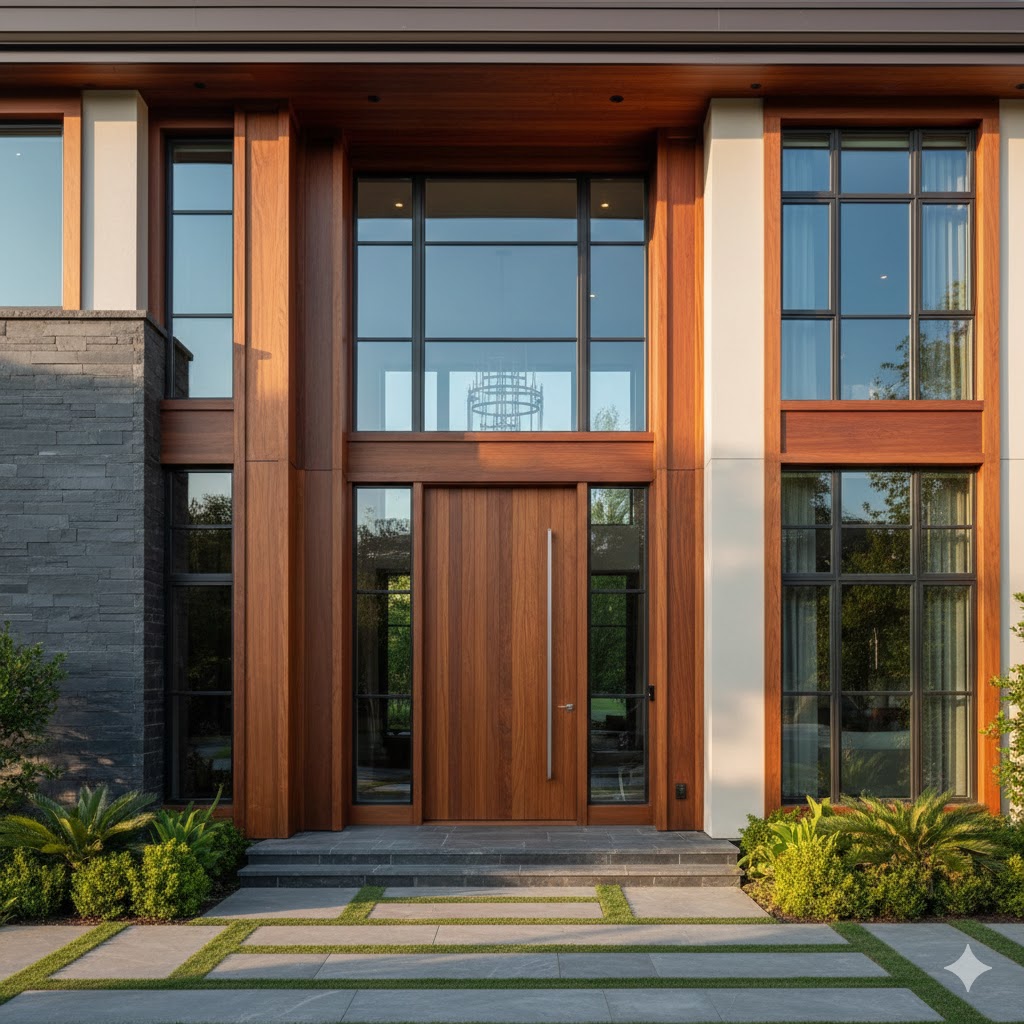
Real Wood Trim for Windows and Doors

Traditional wood trim remains a classic choice for high-end homes. While it requires more care, its timeless appearance can significantly elevate your home’s overall character.

Benefits:

  • Beautiful, authentic texture
  • Highly customizable
  • Works well with luxury or historic homes

Best For: Homeowners willing to invest in ongoing maintenance for premium curb appeal.
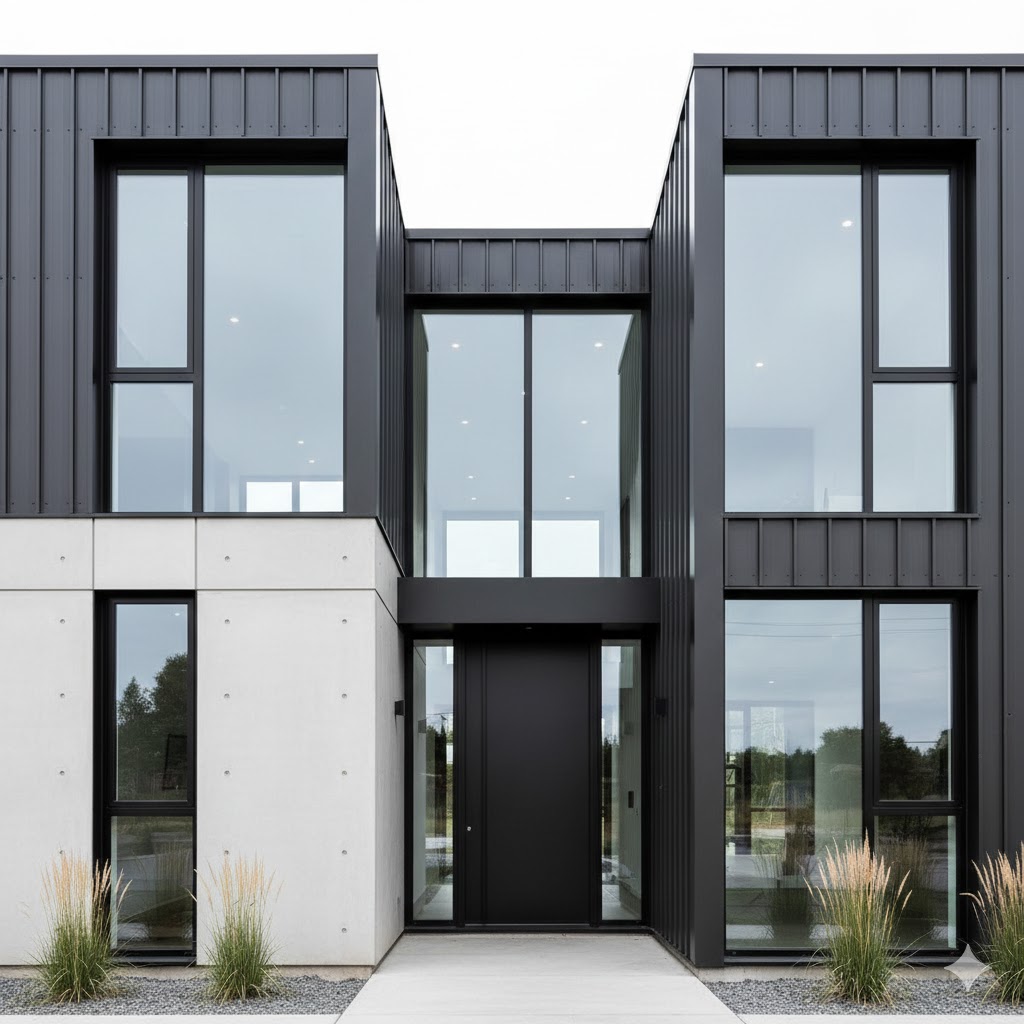
Metal Trim and Siding Accents

Aluminum and steel siding elements are growing in popularity for modern and contemporary homes. Metal trim provides clean, sharp lines around windows and doors.

Benefits:

  • Extremely durable
  • Insect and moisture resistant
  • Excellent for modern architectural styles

Best For: Minimalist and modern exterior designs.

How to Choose the Right Siding for Your Windows and Doors

Before selecting a material, consider:

  • Your home’s architectural style
  • Long-term maintenance preferences
  • Energy efficiency goals for 2026
  • Local climate and weather conditions
  • Budget and project timeline

Matching the right siding to your windows and doors helps reduce drafts, prevents water damage, and enhances overall curb appeal.
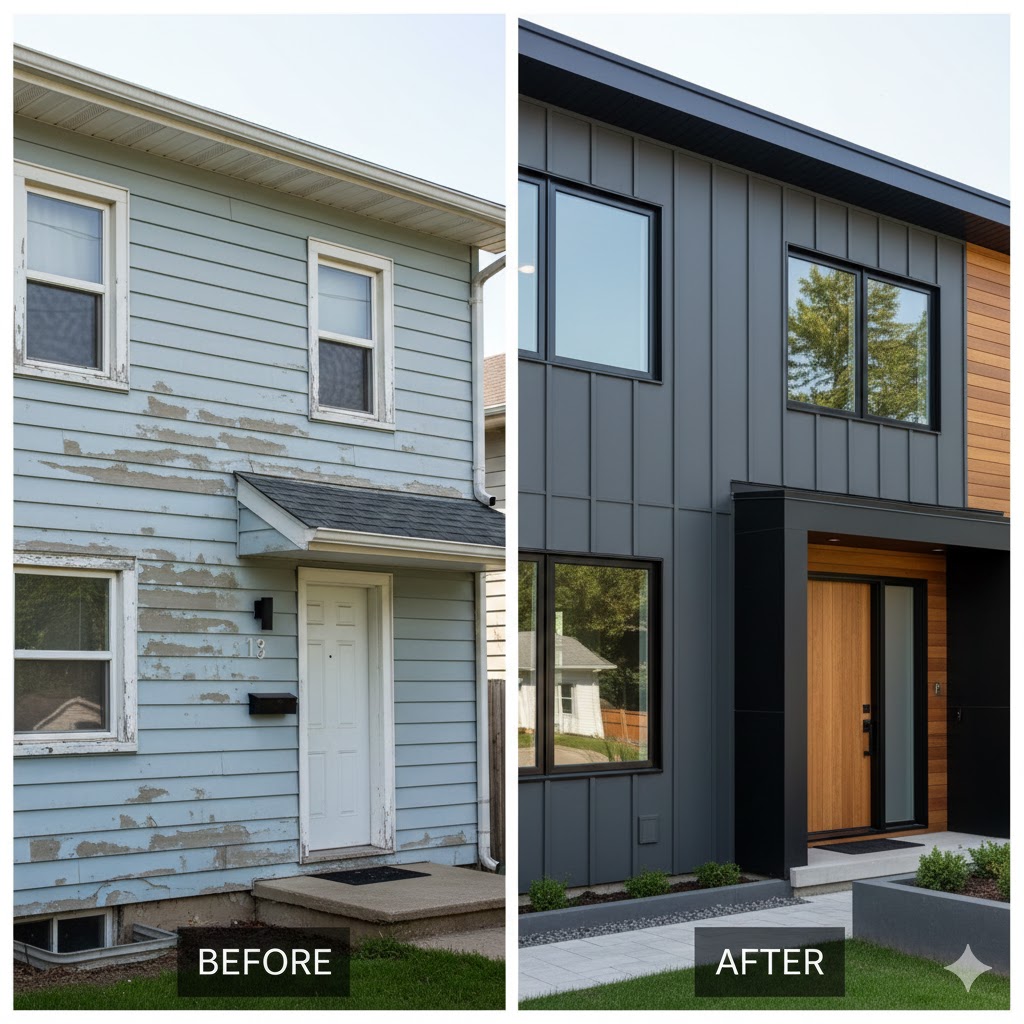
Upgrading the siding around your windows and doors is one of the smartest ways to improve your home’s efficiency, durability, and appearance in 2026. Whether you prefer the strength of fiber cement, the affordability of vinyl, or the beauty of natural wood, choosing the right material ensures your home stays protected and visually stunning for years to come.

If you’re planning an exterior upgrade, now is a great time to explore your options and choose a siding style that fits your home’s design and performance needs.
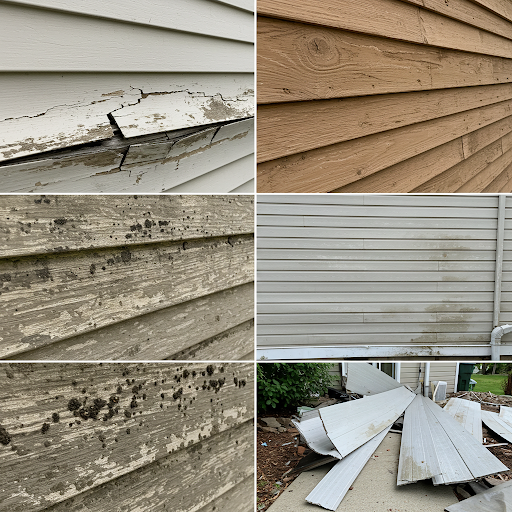
5 Common Siding Problems and How to Fix Them

Cracks and Gaps

Siding is your home’s first line of defense against the elements, playing a crucial role in protecting your property while enhancing curb appeal. Over time, however, even the most durable siding can experience wear and tear due to weather, age, or improper installation. Recognizing common siding problems and knowing how to address them can save you money and prevent more serious issues. Below, we’ll explore five common siding problems and offer practical solutions to fix them.

Cracks and gaps in siding are a common issue caused by weather fluctuations, impact damage, or general wear over time. These openings not only compromise the siding’s appearance but can also allow moisture, pests, and drafts to enter your home. To fix minor cracks, use a high-quality caulk to seal the gaps and prevent further damage. For larger cracks or significant damage, you may need to replace the affected siding panels entirely. Regular inspections can help catch cracks early before they worsen.

Warping and Buckling

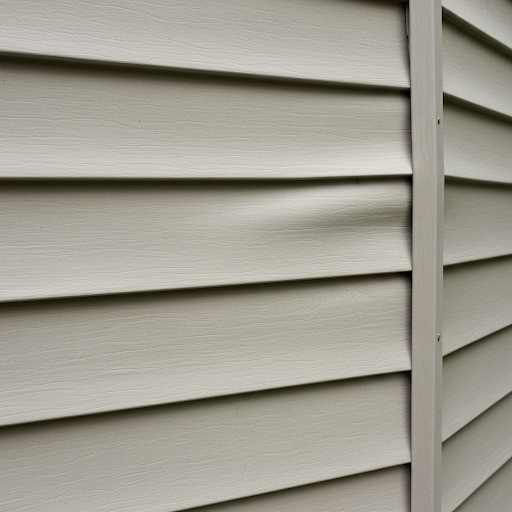
Warping and buckling often occur when siding is exposed to extreme heat or when it is installed incorrectly, such as being nailed too tightly to the wall. Vinyl siding, in particular, is prone to this problem because it expands and contracts with temperature changes. If you notice warping, the best solution is to replace the affected panels and ensure proper installation techniques are followed. Leaving space for natural expansion during installation can prevent buckling in the future.

Mold, Mildew, and Rot

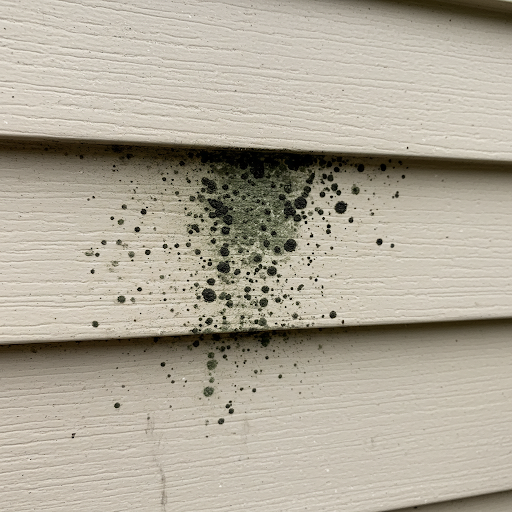
Moisture is the enemy of siding, especially in climates with high humidity or frequent rain. Wood siding is particularly susceptible to mold, mildew, and rot, but even vinyl or fiber cement siding can develop mold if water is allowed to collect behind the panels. To address this issue, first clean the affected area with a solution of water and mild detergent or a specialized siding cleaner. For rotted wood, replace the damaged sections and consider sealing your siding to make it more resistant to moisture. Regular gutter cleaning and ensuring proper drainage around your home can also help prevent mold and rot from forming.

Fading and Discoloration

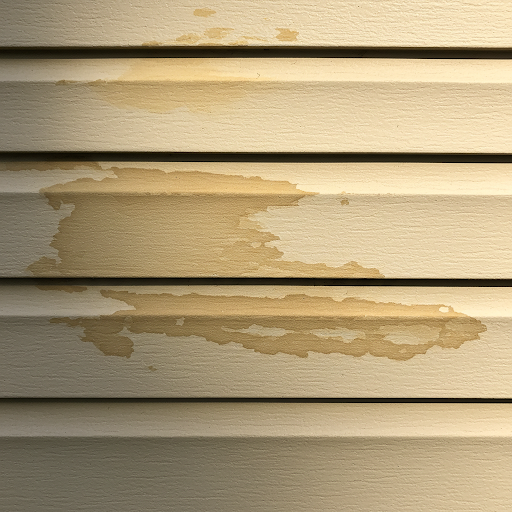
Over time, exposure to UV rays and harsh weather conditions can cause siding to fade or discolor, especially with materials like vinyl or wood. While fading is often cosmetic, it can detract from your home’s curb appeal. To restore the look of your siding, consider repainting or staining it. However, this solution works best for wood, fiber cement, or certain types of engineered siding. For vinyl siding, replacement may be the only option for restoring vibrant color. Choosing siding with UV-resistant coatings or investing in materials designed to withstand fading can help maintain your home’s appearance for longer.

Loose or Missing Panels

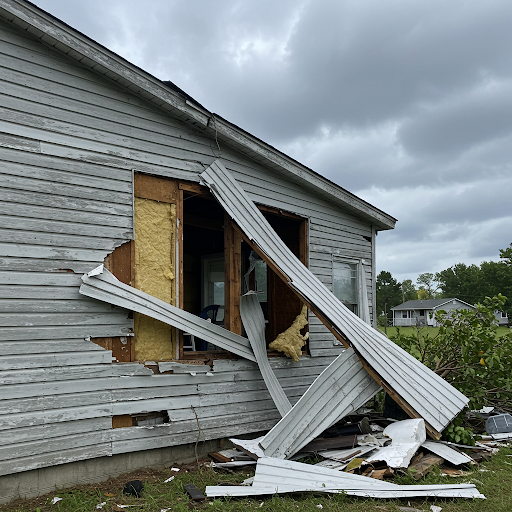
Strong winds, storms, or improper installation can cause siding panels to become loose or fall off entirely. This not only exposes your home to potential damage but also affects its insulation and appearance. To fix loose panels, you’ll need to secure them back into place using a zip tool or reinstall new panels if the old ones are damaged beyond repair. If multiple panels are missing or damaged, it may be more cost-effective to replace an entire section of siding rather than patching individual pieces. Regularly checking for loose panels after storms can help you address issues promptly.


Preventing Siding Problems

While these common siding problems can be fixed, prevention is always the best approach. Regularly inspecting your siding for signs of damage, cleaning it to remove dirt and debris, and ensuring proper installation can significantly extend its lifespan. Investing in high-quality materials that suit your local climate can also help reduce the likelihood of these issues arising in the first place.


When to Call a Professional

While minor siding issues can often be handled with DIY solutions, some problems require professional expertise. If you’re dealing with extensive damage, persistent mold, or widespread warping, it’s best to consult a siding professional to ensure the problem is resolved correctly and prevent further complications.

Siding plays a vital role in protecting your home, so addressing problems as soon as they arise is essential. By staying proactive, you can maintain your home’s exterior, preserve its value, and ensure it continues to stand up to the elements for years to come.